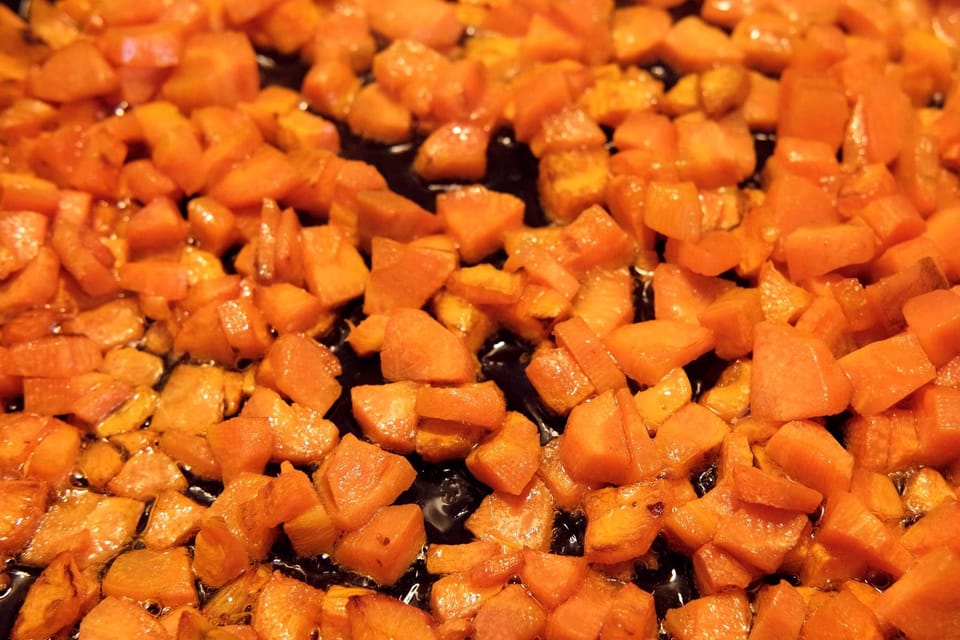
There's a certain alchemy that takes place when carrots meet the gentle heat of the stove, transforming into something extraordinary. This caramelized carrots recipe is a testament to the beauty of simplicity in cooking. I remember the first time I made them, I was impatient, constantly stirring, and ended up with carrots that were more steamed than caramelized. It took a few tries, but I've since learned that the key to perfect caramelization lies in the art of restraint. Inspired by a technique I saw from a seasoned French chef, I've refined this recipe to achieve that ideal balance of natural sweetness and a hint of char that makes these carrots irresistible.
My journey with this dish began as a quest to elevate the humble carrot into a side worthy of the most festive tables. I recall one early attempt where I skimped on the butter, only to be met with lackluster results. It's essential to use the right amount of fat and to allow the carrots to cook undisturbed. After numerous dinner parties and countless tweaks, I've honed this recipe to caramelized perfection. Let's dive into the process that will make these caramelized carrots a requested favorite at your gatherings.
Ingredients
- Carrots — 6 large, peeled and sliced diagonally into 1/4-inch thick pieces
- Unsalted butter — 3 tablespoons
- Brown sugar — 2 tablespoons, packed
- Fresh thyme — 1 tablespoon, leaves picked
- Garlic — 2 cloves, minced
- Chicken or vegetable stock — 1/4 cup
- Salt — 1/2 teaspoon, or to taste
- Freshly ground black pepper — 1/4 teaspoon, or to taste
- Chopped parsley — for garnish (optional)
Instructions
- Start by preparing your carrots. I've found that cutting them diagonally increases the surface area, which is crucial for achieving that sought-after caramelization. Make sure your slices are uniform to ensure even cooking — a lesson I learned after ending up with some pieces that were perfectly caramelized and others that were barely browned.
- In a large skillet, melt the butter over medium heat. Once it begins to foam, add the brown sugar and stir until it dissolves into the butter. This combination of butter and sugar creates the caramelizing agent that will coat the carrots in a glossy, sweet glaze. I've tried using oil, but nothing compares to the richness that butter brings to the dish.
- Add the carrots to the skillet in a single layer. Here's where patience is key: resist the urge to stir. Let the carrots cook, undisturbed, for about 5 minutes or until the underside begins to caramelize. The first time I made these, I stirred too soon and missed out on that deep caramelization. Trust the process and give them time to develop that beautiful golden-brown crust.
- Once the carrots have caramelized on one side, toss them gently and allow them to cook for another 3-4 minutes. Add the minced garlic and fresh thyme, and cook for an additional minute, just until the garlic is fragrant. Be careful not to burn the garlic; it should be golden, not dark brown, which I've found can introduce a bitter note to the dish.
- Pour in the stock, which will deglaze the pan and create a sauce that clings to the carrots. Season with salt and pepper. The stock not only adds moisture but also brings all the flavors together while helping to soften the carrots to the perfect texture. I've learned that adding the stock too early can prevent caramelization, so timing is everything.
- Reduce the heat to low and cover the skillet with a lid. Let the carrots simmer for about 5 minutes, or until they are tender but not mushy. This gentle steaming is the final step to achieving carrots that are caramelized on the outside and tender on the inside. I once overcooked them at this stage, and they lost their delightful texture.
- Remove the lid and increase the heat to medium-high. Cook for another 2-3 minutes, stirring occasionally, until most of the liquid has evaporated and the carrots are coated in a thick, caramel-like glaze. This last burst of heat intensifies the flavors and ensures the glaze is just the right consistency.
- Transfer the carrots to a serving dish and garnish with chopped parsley if desired. The fresh green adds a pop of color and a fresh flavor that contrasts beautifully with the sweet and savory carrots.
Substitutions
- Brown sugar — If you prefer a less sweet glaze, you can reduce the brown sugar or substitute it with honey, which offers a more subtle sweetness. I've tried both and found that honey gives a lovely floral note to the dish.
- Butter — For a dairy-free version, use a high-quality vegan butter or coconut oil. The flavor profile will change slightly, but you'll still achieve a delightful caramelization.
Variations
- Spiced carrots — Add a pinch of cinnamon, nutmeg, or cumin to the carrots along with the brown sugar for a warm, spiced twist that's especially comforting in the colder months.
- Herbaceous twist — Swap out the thyme for rosemary or sage for a different herbal note. Each herb brings its own unique flavor that complements the sweetness of the carrots.
Dietary Restrictions
- Vegan — Use vegetable stock and a plant-based butter alternative to make this dish vegan-friendly without sacrificing the rich flavor and caramelization.
Equipment
- Large skillet or frying pan
- Wooden spoon or spatula
- Sharp knife and cutting board
- Measuring cups and spoons
Storage and Reheating
- Store any leftover caramelized carrots in an airtight container in the refrigerator for up to 3 days. I've found that they reheat beautifully, with the flavors becoming even more pronounced after a day or two.
- To reheat, simply warm them in a skillet over medium heat until heated through. Add a splash of water if needed to loosen the glaze. Avoid the microwave, as it can make the carrots soggy and affect their texture.
Pro Tips
- Carrot preparation — Take the time to peel your carrots. While the skins are edible, peeling them results in a more refined texture and appearance, which is especially important for a dish where the carrots are the star.
- Heat control — Keep an eye on the heat level throughout the cooking process. Too high, and the carrots and sugar can burn; too low, and you won't achieve the desired caramelization. A medium heat is generally the sweet spot.
- Don't overcrowd the pan — If you're doubling the recipe, cook the carrots in batches. Overcrowding the pan will cause the carrots to steam rather than caramelize, which is a mistake I've made in the past with less-than-stellar results.