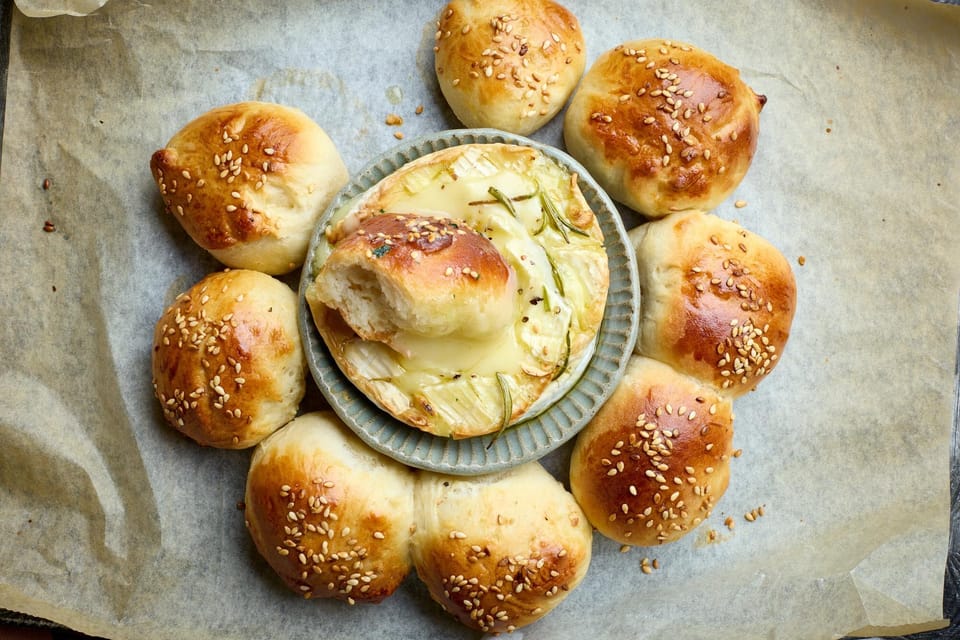
There's a certain magic in the alchemy of baking, where simple ingredients transform into something extraordinary. These garlic butter dinner rolls are a testament to that magic. I remember the first time I attempted these rolls, I was too timid with the garlic, resulting in a flavor that was too subtle to detect. Through trial and error, I've discovered the perfect balance of garlic and butter that infuses these rolls with a mouthwatering aroma and irresistible taste. The addition of a touch of honey to the dough brings a slight sweetness that complements the savory garlic butter beautifully.
My journey with this recipe began as a quest to create the ultimate dinner roll, one that would steal the spotlight from any main dish. I recall the early days of dense rolls that could have doubled as hockey pucks, a clear sign of underproofing. It's essential to respect the rise of the dough, allowing the yeast to work its magic. After many batches and a few flour-covered kitchen counters later, I've perfected these garlic butter dinner rolls, and I'm thrilled to share my recipe with you. Let's roll up our sleeves and dive into the world of soft, fluffy, and flavorful bread.
Ingredients
- Whole milk — 1 cup, warmed to 110°F (43°C)
- Unsalted butter — 1/4 cup (60g), melted, plus 2 tablespoons for brushing
- Active dry yeast — 2 1/4 teaspoons (1 packet)
- Granulated sugar — 2 tablespoons
- Honey — 1 tablespoon
- Large egg — 1, room temperature
- All-purpose flour — 3 1/2 to 4 cups (420g to 480g), plus more for dusting
- Salt — 1 teaspoon
- Fresh garlic — 4 cloves, minced
- Fresh parsley — 2 tablespoons, finely chopped
- Sea salt flakes — for sprinkling (optional)
Instructions
- Start by warming the milk to the right temperature. This is crucial for activating the yeast. Too hot, and you'll kill the yeast; too cold, and it won't wake up from its slumber. I use a kitchen thermometer to ensure it's just right. In a large bowl, whisk together the warm milk, melted butter, yeast, sugar, and honey. Let it sit for about 5-10 minutes, until it becomes frothy and bubbly. This is proofing the yeast, and it's a sight that still brings me joy, as it promises the rise of beautiful rolls.
- Add the egg to the yeast mixture and whisk until well combined. In my early attempts, I added the egg straight from the fridge, which shocked the yeast. Room temperature is your friend here. Gradually mix in 3 1/2 cups of flour and salt, stirring with a wooden spoon until a shaggy dough forms. If the dough is too sticky, add more flour, a tablespoon at a time, until it's manageable. I've learned that the dough should be soft and slightly tacky, but not a sticky nightmare.
- Turn the dough out onto a lightly floured surface and knead for about 8-10 minutes. This is where the magic happens, as kneading develops the gluten strands that give the rolls their structure. The dough should become smooth and elastic, a sign that it's ready for its first rise. In my first few tries, I either over-kneaded, making the rolls tough, or under-kneaded, resulting in a lack of volume. It's a fine balance that you'll master with practice.
- Place the dough in a greased bowl, turning it to coat all sides with oil. Cover with a damp cloth and let it rise in a warm, draft-free place for about 1 to 1 1/2 hours, or until doubled in size. I've found that a slightly warmed oven (turned off after preheating for a minute) is the perfect spot for this. The dough should be puffy and pillowy, a sign that the yeast has done its job.
- While the dough is rising, prepare the garlic butter. Melt the remaining 2 tablespoons of butter and mix in the minced garlic and chopped parsley. The first time I made this, I was too conservative with the garlic, and the flavor got lost. Don't be shy—garlic is the star here. Set the mixture aside for later.
- Once the dough has risen, punch it down gently to release the air—another satisfying step. Divide the dough into 12 equal pieces. I like to use a bench scraper for precision. Shape each piece into a ball by pulling the dough underneath itself to create a smooth top. This technique, known as "shaping," is key for a uniform look and even baking.
- Arrange the dough balls in a greased 9x13-inch baking dish. Cover them with a damp cloth and let them rise again for about 30 minutes, until they're puffy and touching each other. This second rise is crucial for that final burst of growth before they hit the oven's heat.
- Preheat your oven to 375°F (190°C). Once the rolls have risen, brush them generously with half of the garlic butter mixture. This will give them a beautiful sheen and infuse them with flavor as they bake. If you're feeling indulgent, sprinkle some sea salt flakes on top for an extra pop of flavor.
- Bake for 20-25 minutes, or until the rolls are golden brown and sound hollow when tapped. The aroma that fills your kitchen will be heavenly. When I first made these, I was so eager to taste them that I pulled them out too early. Patience is a virtue; wait for that golden color.
- As soon as the rolls come out of the oven, brush them with the remaining garlic butter. This final touch adds a burst of flavor and keeps the crust soft. Allow the rolls to cool for a few minutes before serving, if you can resist the temptation. They're best enjoyed warm, with the buttery garlic goodness melting in your mouth.
Substitutions
- Whole milk — If you're dairy-free, unsweetened almond milk or soy milk can be used in place of whole milk. I've tried both, and while the texture is slightly different, the rolls still turn out delicious.
- Unsalted butter — For a vegan version, use a plant-based butter alternative. Just make sure it's suitable for baking to achieve that rich, buttery flavor.
Variations
- Cheesy garlic rolls — For an extra cheesy kick, sprinkle shredded Parmesan or cheddar cheese over the rolls before the second brushing of garlic butter. The cheese melts into a crispy, savory topping that's simply divine.
- Herb variety — Feel free to experiment with different herbs. I've tried adding rosemary and thyme to the garlic butter, and each herb brings its own unique flavor to the rolls.
Dietary Restrictions
- Vegan — In addition to the dairy substitutes, replace the egg with a flax egg (1 tablespoon ground flaxseed mixed with 3 tablespoons water, let sit for 15 minutes) to keep the recipe vegan-friendly.
Equipment
- 9x13-inch baking dish
- Measuring cups and spoons
- Large mixing bowl
- Wooden spoon
- Whisk
- Kitchen thermometer
- Bench scraper (optional, but helpful for dividing dough)
- Pastry brush
Storage and Reheating
- Leftover rolls can be stored in an airtight container at room temperature for up to 3 days. I've found that wrapping them in a clean kitchen towel before placing them in the container helps retain their softness.
- To reheat, wrap the rolls in aluminum foil and warm in a preheated 350°F (175°C) oven for about 10 minutes. They'll emerge as if freshly baked, with that same irresistible aroma wafting through your kitchen.
Pro Tips
- Garlic potency — Fresh garlic can vary in potency. Taste your garlic butter mixture before brushing it on the rolls to ensure it's to your liking. You can always add more if you're a garlic enthusiast like me.
- Even baking — Rotate the baking dish halfway through baking to ensure even browning. Oven hot spots can lead to some rolls baking faster than others, and we want perfection.
- Proofing patience — Don't rush the proofing stages. The rolls need this time to develop their flavor and texture. A warm, draft-free environment will give you the best rise.