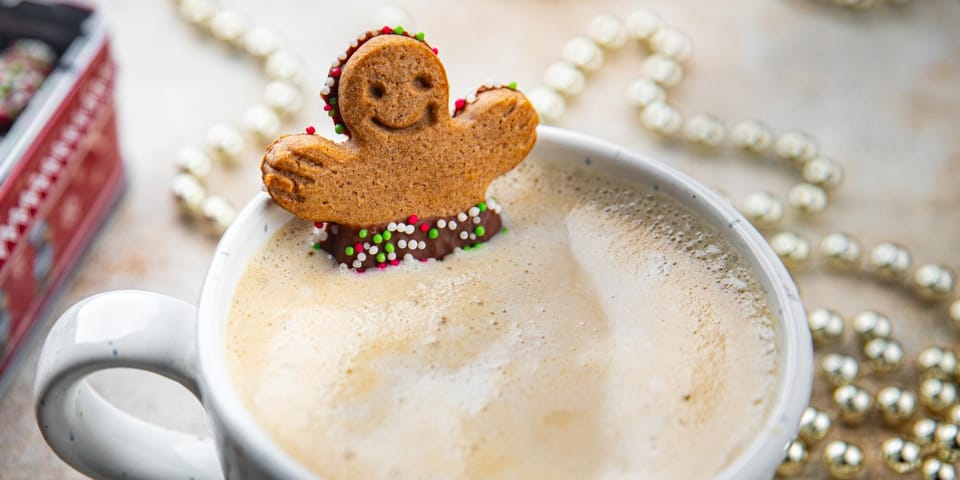
There's a certain magic that envelops the kitchen when the rich, spiced aroma of gingerbread mingles with the creamy, comforting scent of classic eggnog. This homemade gingerbread eggnog recipe is a festive concoction that I've lovingly refined over the years, born from a desire to capture the essence of the holidays in a glass. I remember the first time I attempted to combine these flavors, I was heavy-handed with the molasses, which overpowered the delicate balance of the eggnog. Through trial and error, I've discovered the perfect harmony of spices, sweetness, and richness that makes this drink a beloved holiday tradition.
Inspired by a family recipe for traditional eggnog and my own passion for the nostalgic taste of gingerbread, I've crafted a beverage that warms you from the inside out. I recall the initial challenge of tempering the eggs, a step that once intimidated me, but I've since mastered the technique to ensure a smooth, safe drink every time. Now, I'm thrilled to share my personal take on this yuletide treat, complete with the lessons I've learned along the way. Let's raise a toast to the holidays with this gingerbread eggnog that's sure to become a new favorite.
Ingredients
- Whole milk — 4 cups
- Heavy cream — 1 cup
- Ground cinnamon — 1 tsp
- Ground ginger — 1 tsp
- Ground nutmeg — 1/2 tsp
- Ground cloves — 1/4 tsp
- Molasses — 2 tbsp
- Vanilla extract — 2 tsp
- Large eggs — 6, separated
- Granulated sugar — 3/4 cup
- Dark rum or bourbon — 1 cup (optional)
- Whipped cream — for garnish
- Gingerbread cookie crumbs — for garnish
Instructions
- Begin by combining the milk, heavy cream, cinnamon, ginger, nutmeg, and cloves in a large saucepan. Warm the mixture over medium heat until it's steaming but not boiling. I've learned that patience is key here; rushing the process can lead to a burnt taste that's anything but festive. The gentle heat allows the spices to infuse their flavor into the milk, creating a rich tapestry of holiday cheer.
- Once the milk is steaming, whisk in the molasses and vanilla extract. The molasses should be added with a light hand, as I've found that too much can overwhelm the eggnog. It's the molasses that imparts that signature gingerbread sweetness, so it's important to strike the right balance.
- In a separate bowl, beat the egg yolks with the granulated sugar until the mixture is pale and thick. This step, known as ribboning, is crucial for the texture of the eggnog. The first time I skipped this, the eggnog lacked that luxurious, velvety mouthfeel that's so characteristic of a well-made nog.
- Tempering the eggs is the next critical step. Slowly ladle about a cup of the hot milk mixture into the egg yolks, whisking constantly. This gradual introduction of heat prevents the eggs from scrambling, which I learned the hard way during my first attempt. Once the eggs are tempered, pour the mixture back into the saucepan with the remaining milk.
- Cook the combined mixture over medium heat, stirring constantly with a wooden spoon, until it thickens enough to coat the back of the spoon. This usually takes about 3-5 minutes. The key here is to never let it come to a boil; a gentle simmer is all that's needed to achieve the perfect consistency.
- Remove the saucepan from the heat and let the eggnog cool for a few minutes. Then, if you're including alcohol, stir in the dark rum or bourbon. The alcohol not only adds depth to the flavor but also acts as a preservative. I've experimented with and without it, and while both are delicious, the boozy version always seems to disappear faster at holiday gatherings.
- In a clean bowl, beat the egg whites to soft peaks. This is where I add a touch of showmanship to the eggnog. Folding in the beaten egg whites gives it an airy lift that's both visually and texturally pleasing. Gently fold the egg whites into the cooled eggnog until just combined, being careful not to deflate them.
- Chill the eggnog in the refrigerator for at least an hour before serving. This rest period allows the flavors to meld and the eggnog to thicken further. I've found that the longer it chills, the more pronounced the gingerbread flavor becomes, so if you can, make it a day ahead.
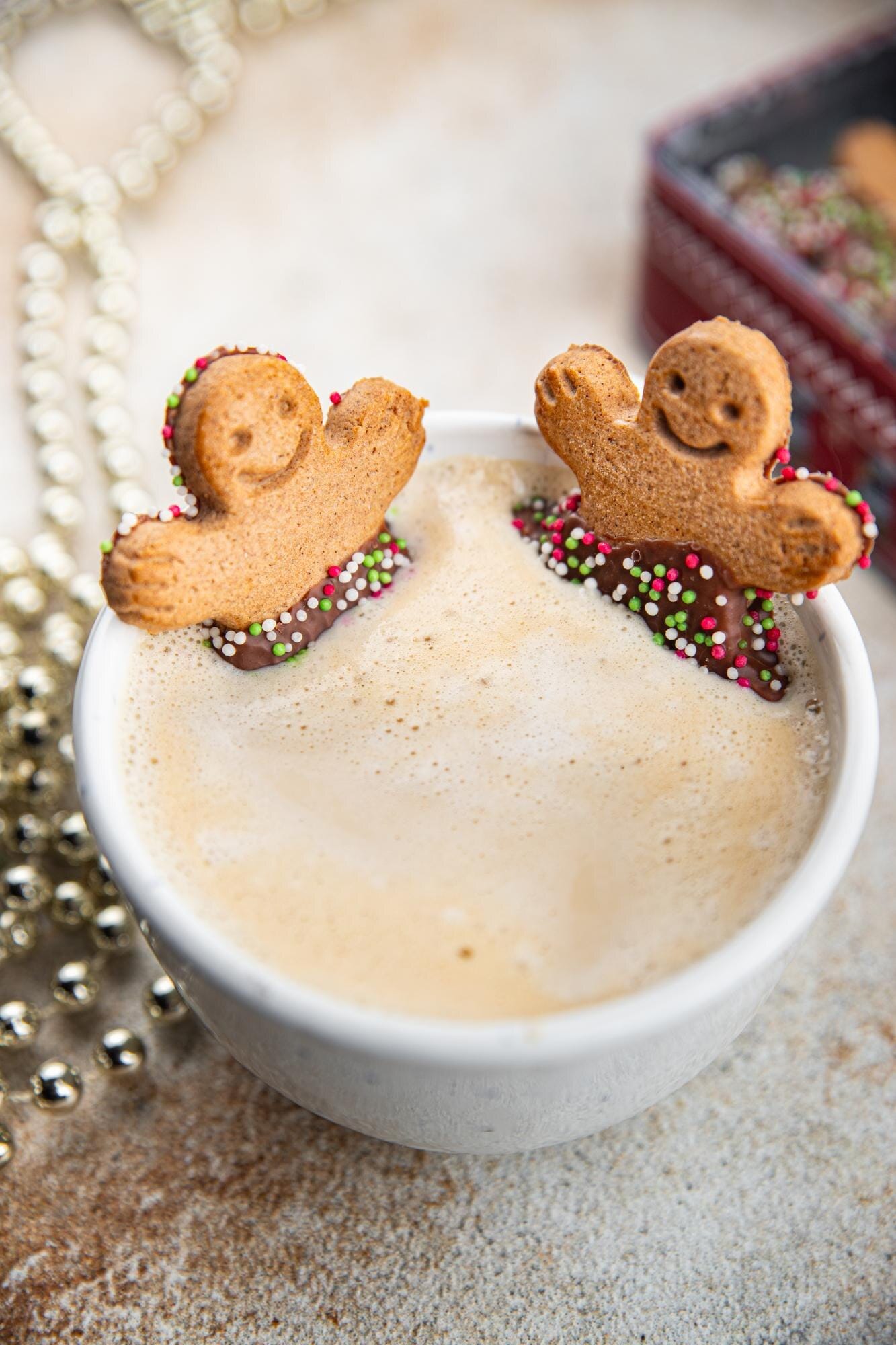
- When ready to serve, pour the eggnog into individual cups or a punch bowl. Garnish with a dollop of whipped cream and a sprinkle of gingerbread cookie crumbs. The first time I garnished with whole cookies, they quickly became soggy, so now I opt for crumbs, which add a delightful crunch and an extra pop of gingerbread flavor.
Substitutions
- Non-dairy milk — For a dairy-free version, substitute the milk and heavy cream with full-fat coconut milk. It adds a tropical note that surprisingly complements the gingerbread spices. I've served this version to my lactose-intolerant friends, and it's been met with rave reviews.
- Sugar alternatives — If you prefer a less refined sweetener, honey or maple syrup can be used in place of granulated sugar. Adjust to taste, as these sweeteners bring their own unique flavors to the eggnog.
Variations
- Spiced rum — For an extra kick of spice, use spiced rum instead of dark rum or bourbon. It enhances the gingerbread flavor and adds a warm, inviting complexity to the eggnog.
- Coffee-infused — For a caffeinated twist, add a shot of espresso or strong coffee to each serving. The coffee's bitterness cuts through the sweetness and creates a sophisticated flavor profile that's perfect for an after-dinner treat.
Dietary Restrictions
- Egg-free — To make this recipe egg-free, use a commercial egg nog base that doesn't contain eggs and infuse it with the gingerbread spices as directed. While the texture will be different, the flavors will still shine through.
Equipment
- Large saucepan
- Whisk
- Mixing bowls
- Electric mixer or hand beater
- Wooden spoon
- Measuring cups and spoons
- Refrigerator-safe container for chilling
Storage and Reheating
- Store any leftover eggnog in an airtight container in the refrigerator for up to 3 days. I've found that the flavors continue to develop, and the eggnog often tastes even better the next day.
- If the eggnog separates slightly upon storage, simply give it a good stir or a quick whisk to reincorporate the ingredients before serving.
Pro Tips
- Chill your serving glasses — Before serving, chill your glasses in the freezer for about 15 minutes. This keeps the eggnog cold and refreshing, enhancing the overall experience.
- Use fresh spices — For the best flavor, make sure your spices are fresh. Spices lose their potency over time, and since they're the stars of this recipe, you want them at their best.
- Adjust to taste — The beauty of homemade eggnog is that you can adjust the spices and sweetness to your liking. Don't be afraid to taste as you go and tweak the recipe to suit your palate.