
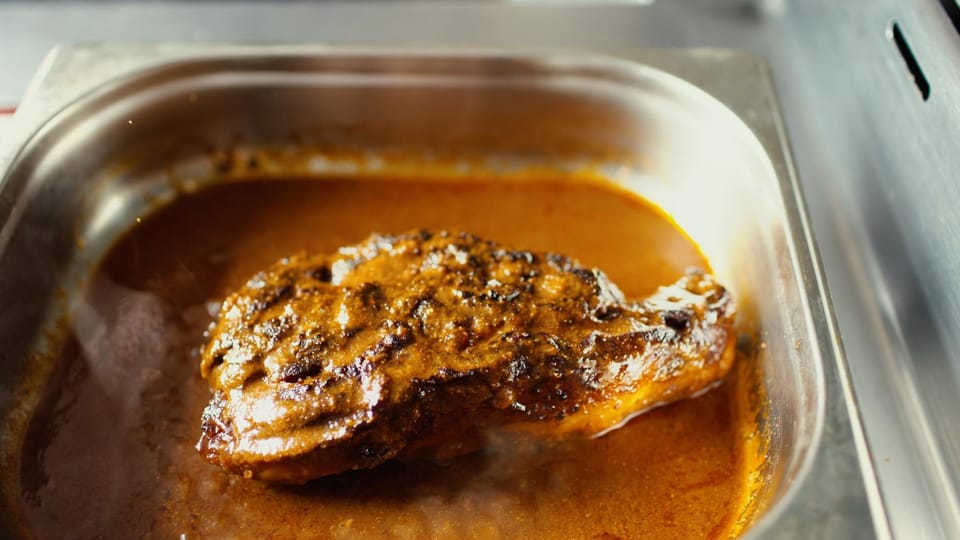
There's a certain comfort found in the rich, savory embrace of country gravy, a staple that I've lovingly reinvented with ground turkey. This recipe is a lighter take on the classic, without sacrificing the depth of flavor we all crave from a hearty gravy. I remember the first time I swapped out the traditional sausage for ground turkey, worried it might lack richness. But through trial and error, I've crafted a recipe that's just as indulgent, with a few tweaks to enhance the turkey's subtler taste. The key lies in building layers of flavor, starting with a well-seasoned base and ending with a creamy, velvety finish that's perfect over biscuits, mashed potatoes, or just about anything.
My journey with this recipe began as a quest to lighten up my family's beloved breakfasts. Initially, I struggled with the turkey's tendency to dry out and a gravy that was too thin. But with patience and a few secret ingredients, I've perfected this ground turkey country gravy to rival any diner classic. It's become a requested dish for weekend brunches and has even made its way to our dinner table. Let's dive into the steps that will take your gravy game to new heights.
Ingredients
- Ground turkey — 1 lb (lean but not extra lean, as a bit of fat adds flavor)
- Unsalted butter — 3 tbsp (to add richness)
- All-purpose flour — 1/4 cup (for thickening)
- Chicken broth — 2 cups (for depth of flavor)
- Whole milk — 1 cup (for creaminess)
- Worcestershire sauce — 1 tsp (the secret umami booster)
- Garlic powder — 1/2 tsp
- Onion powder — 1/2 tsp
- Dried thyme — 1/4 tsp
- Crushed red pepper flakes — 1/4 tsp (optional, for a hint of heat)
- Salt and freshly ground black pepper — to taste
Instructions
- Start by heating a large skillet over medium heat. Add the ground turkey, breaking it apart with a wooden spoon. I've found that letting the meat sit undisturbed for a minute or two before stirring allows it to develop a nice browning, which is crucial for flavor. Cook until no longer pink, about 5-7 minutes. Season with salt and pepper during cooking to build the flavor from the ground up.
- Once the turkey is cooked through, push it to one side of the skillet. In the cleared space, melt the butter. Sprinkle the flour evenly over the butter and whisk it in, letting it cook for a minute. This is your roux, and it's the backbone of your gravy. Cooking it for a minute helps to remove the raw flour taste and creates a base that will thicken your gravy to the perfect consistency.
- Gradually pour in the chicken broth, whisking constantly to incorporate the roux and prevent lumps. I learned the hard way that adding the liquid all at once can result in a lumpy gravy. Slow and steady wins the race here. Once the broth is fully incorporated, stir in the milk. The combination of broth and milk gives the gravy a luxurious texture that's neither too heavy nor too light.
- Add the Worcestershire sauce, garlic powder, onion powder, dried thyme, and red pepper flakes if using. These seasonings are what elevate the gravy from good to great. The Worcestershire sauce, in particular, was a game-changer for me, adding a depth of flavor that turkey alone can't achieve.
- Bring the mixture to a simmer, then reduce the heat to low. Let it cook, stirring frequently, for about 10-15 minutes, or until the gravy has thickened to your liking. It's tempting to rush this step, but letting the gravy simmer allows the flavors to meld and the flour to cook out completely, resulting in a smooth, velvety sauce.
- Taste and adjust the seasoning with more salt and pepper if needed. I always taste as I go, because the seasoning can make or break a dish. Remember, you can always add more, but you can't take it away.
Substitutions
- Chicken broth — Vegetable broth can be used for a vegetarian version, though you'll want to ensure you're using a rich, flavorful broth to compensate for the lack of meat.
- Whole milk — For a dairy-free option, unsweetened almond or oat milk works well, though the gravy may be less rich.
Variations
- Mushroom gravy — Sauté sliced mushrooms with the turkey for an earthy flavor that complements the gravy beautifully.
- Herbaceous — Fresh herbs like sage or rosemary can be finely chopped and added with the dried thyme for a fresh, aromatic twist.
Dietary Restrictions
- Gluten-free — Use a gluten-free all-purpose flour blend in place of regular flour to thicken the gravy.
Equipment
- Large skillet
- Wooden spoon
- Whisk
- Measuring cups and spoons
Storage and Reheating
- Store any leftover gravy in an airtight container in the refrigerator for up to 3 days. I've found that the flavors continue to develop, and it's even better the next day.
- To reheat, warm the gravy over low heat on the stove, adding a splash of milk if it's too thick. Stir often to prevent sticking and to ensure it heats evenly.
Pro Tips
- Brown the turkey well — Don't be afraid to let the turkey get a good sear. Those browned bits add incredible flavor to the gravy.
- Whisk away lumps — If you do end up with a few lumps after adding the flour, don't panic. A whisk and a few minutes of stirring will usually smooth things out.
- Simmer gently — A gentle simmer is all you need to thicken the gravy. Boiling too vigorously can cause it to break and become grainy.