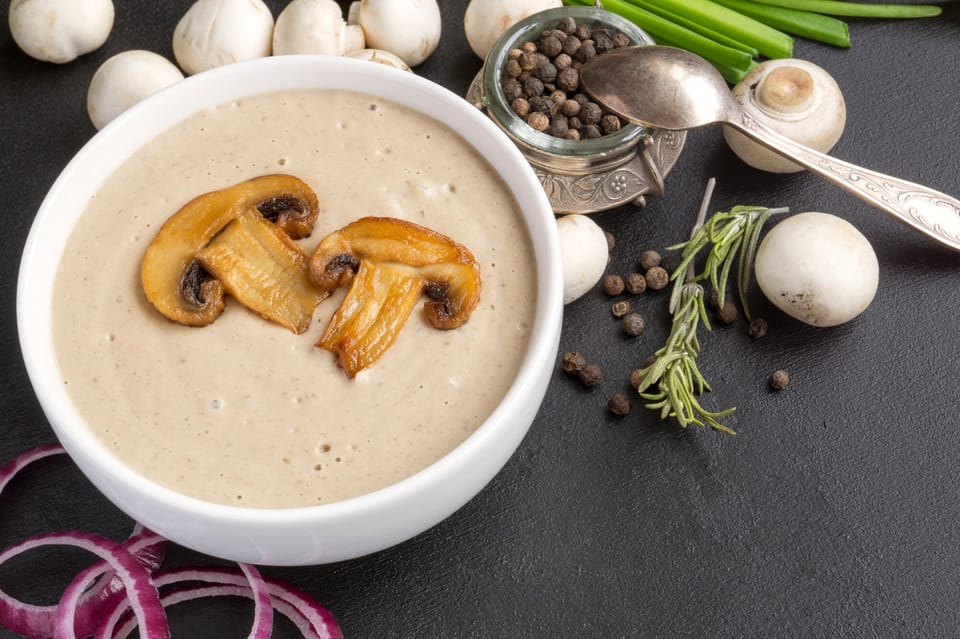
There's an undeniable allure to a perfectly cooked steak, but when it's paired with a savory mushroom sauce, the experience is elevated to new heights. This mushroom sauce recipe is the result of countless dinners and a desire to find the perfect companion for a succulent steak. I remember the first time I made it, I was heavy-handed with the herbs, which overpowered the delicate umami of the mushrooms. Through trial and error, I've refined this recipe to achieve a harmonious balance of earthy mushrooms, rich cream, and a hint of thyme that complements rather than competes with the steak.
Inspired by a classic French sauce, I've tweaked this recipe to suit my palate, adding a splash of Worcestershire for depth and a spoonful of Dijon mustard for a subtle tang. I've learned that the key to a great mushroom sauce lies in the reduction, a technique that concentrates the flavors and creates a velvety texture that clings to the steak beautifully. Let's embark on this culinary journey together and create a mushroom sauce that will turn a simple steak into a gourmet meal.
Ingredients
- Cremini mushrooms — 8 oz (225g), thinly sliced
- Unsalted butter — 2 tbsp (30g)
- Shallots — 2, finely diced
- Garlic — 2 cloves, minced
- Beef broth — 1 cup (240ml)
- Heavy cream — 1/2 cup (120ml)
- Dry white wine — 1/4 cup (60ml)
- Worcestershire sauce — 1 tsp
- Dijon mustard — 1 tbsp
- Fresh thyme — 1 tsp, leaves stripped
- Salt — to taste
- Freshly ground black pepper — to taste
Instructions
- Start by cleaning the mushrooms with a damp paper towel. It's tempting to rinse them under water, but I've learned that they absorb moisture like sponges, which can lead to a watery sauce. Once cleaned, slice them thinly to ensure they cook evenly and provide a pleasant texture in every bite.
- In a large skillet, melt the butter over medium heat. Add the finely diced shallots, and cook until they're translucent and soft, about 2-3 minutes. I've found that rushing this step can lead to a raw onion flavor that detracts from the sauce's overall richness.
- Add the minced garlic and thyme, cooking for another minute until fragrant. Garlic burns easily, which I learned the hard way, so keep an eye on it and stir constantly to prevent any bitterness from creeping into your sauce.
- Introduce the sliced mushrooms to the skillet. Let them cook without stirring for the first 2 minutes, allowing them to brown and develop a deep, nutty flavor. After that, stir occasionally until they release their moisture and become golden brown. This caramelization is the secret to a sauce with a profound mushroom taste.
- Pour in the dry white wine to deglaze the pan, scraping up any browned bits from the bottom. These bits are packed with flavor, and deglazing ensures they're incorporated into the sauce. Allow the wine to reduce by half, which concentrates the flavor and cooks off the alcohol, leaving only the wine's essence.
- Add the beef broth, Worcestershire sauce, and Dijon mustard. Stir to combine and bring the mixture to a simmer. Reduce the heat to low and let it simmer gently for about 10 minutes, or until the sauce has reduced by one-third. This reduction is crucial as it thickens the sauce and melds the flavors together into a rich, cohesive whole.
- Stir in the heavy cream and continue to simmer for another 5 minutes, until the sauce reaches a creamy, pourable consistency. It's important not to let the sauce boil at this point, as high heat can cause the cream to separate and ruin the smooth texture you've worked so hard to achieve.
- Season the sauce with salt and freshly ground black pepper to taste. I've learned that seasoning at the end allows for better control, as the reduction process can intensify the saltiness. A final taste test is key to ensuring your sauce is perfectly seasoned.
Substitutions
- Dry white wine — If you prefer not to use wine, you can substitute it with additional beef broth. The sauce will lack the wine's acidity, but it will still be delicious. I've made this substitution when cooking for guests who avoid alcohol, and the sauce was still a hit.
- Heavy cream — For a lighter sauce, half-and-half can be used in place of heavy cream. The sauce won't be as rich, but it will still have a lovely creaminess. I've used this option when I wanted a less indulgent sauce that didn't compromise on flavor.
Variations
- Herbaceous twist — Try adding a sprig of rosemary or a few leaves of sage for an aromatic variation. I've experimented with different herbs, and each one brings its own unique flavor profile to the sauce.
- Peppercorn sauce — For a peppery kick, add a tablespoon of crushed green peppercorns along with the beef broth. This version is particularly good with a more robust cut of steak, like a ribeye.
Dietary Restrictions
- Dairy-free — Use a plant-based cream alternative to make this sauce dairy-free. There are many options available that can mimic the creaminess without the dairy content.
Equipment
- Large skillet
- Wooden spoon or spatula
- Measuring cups and spoons
- Sharp knife and cutting board
Storage and Reheating
- Any leftover sauce can be stored in an airtight container in the refrigerator for up to 3 days. I've found that the flavors actually deepen with time, making the sauce even more delicious when reheated.
- To reheat, gently warm the sauce in a saucepan over low heat, stirring occasionally. If the sauce has thickened too much in the fridge, you can thin it with a splash of broth or water. Avoid boiling to maintain the creamy texture.
Pro Tips
- Brown the mushrooms well — Don't crowd the pan when browning the mushrooms. If necessary, cook them in batches. Crowding can cause them to steam rather than brown, and you'll miss out on the deep flavors that browning provides.
- Simmer gently — Keep the simmer low and slow. A gentle simmer allows the flavors to meld without reducing the sauce too quickly. It's a delicate balance that results in the perfect consistency and depth of flavor.
- Adjust consistency — If your sauce is too thin, let it simmer a bit longer. If it's too thick, don't hesitate to add a little more broth to reach your desired consistency. The perfect sauce should coat the back of a spoon but still be pourable.