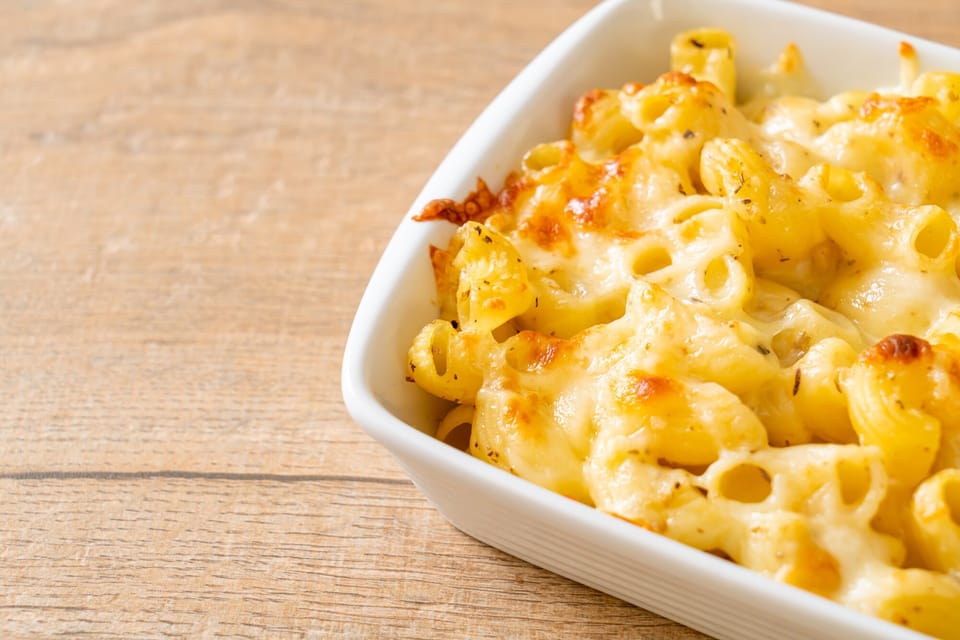
There's a certain comfort found in a bowl of Panera's mac and cheese — a creamy, velvety texture that wraps each pasta shell in a warm embrace. After countless visits to Panera, I decided to recreate this dish at home, and through trial and error, I've crafted a copycat recipe that rivals the original. My first attempt was a bit grainy, a common pitfall when working with cheeses that don't melt well. But after fine-tuning the cheese blend and mastering the roux, I've achieved that signature Panera smoothness. This recipe is a culmination of my kitchen experiments, and I'm excited to share the secrets to achieving that Panera-style mac and cheese we all crave.
My journey with this recipe began with a simple desire to bring the Panera experience home. I remember the frustration of overcooking the pasta on my first try, which led to a mushy texture that couldn't hold up to the sauce. It's crucial to cook the pasta just right and to create a sauce that's the perfect balance of cheesy and creamy. After several batches and a few cheese-stretching smiles later, I've nailed down a recipe that's a hit at family dinners and potlucks alike. Let's dive into the art of making this beloved comfort food.
Ingredients
- Shell pasta — 16 oz. (about 4 cups)
- Unsalted butter — 1/4 cup (4 tbsp)
- All-purpose flour — 1/4 cup (4 tbsp)
- Whole milk — 2 1/2 cups, warmed
- White American cheese — 8 oz, freshly sliced
- Extra sharp white cheddar cheese — 8 oz, shredded
- Dijon mustard — 1 tsp.
- Hot sauce — a few dashes, to taste
- Kosher salt — 1 tsp.
- Freshly ground black pepper — 1/2 tsp.
Instructions
- Start by cooking the shell pasta in a large pot of salted boiling water. Cook it according to the package instructions for al dente, usually about 7-9 minutes. In my early attempts, I overcooked the pasta, and it turned to mush under the sauce. Al dente pasta will hold its shape and texture when mixed with the cheese sauce. Drain the pasta and set it aside, but don't rinse it — the starch on the surface helps the sauce cling to the pasta.
- In a medium saucepan, melt the butter over medium heat. Once melted, whisk in the flour to form a roux. This is the thickening agent for your sauce, and it's important to cook it for about 2 minutes to remove the raw flour taste. The roux should be a pale golden color; if it's too dark, it can affect the final color of your sauce.
- Gradually add the warm milk to the roux, whisking constantly to prevent lumps. I learned that adding cold milk can cause the roux to seize up, resulting in a clumpy sauce. Continue to cook, stirring frequently, until the mixture thickens and coats the back of a spoon, about 5-7 minutes.
- Reduce the heat to low and begin adding the cheeses a handful at a time, stirring until each addition is completely melted before adding more. Patience is key here; rushing can lead to a grainy sauce. The slow incorporation of cheese creates that smooth, velvety texture we're after.
- Once all the cheese has melted into the sauce, stir in the Dijon mustard, hot sauce, salt, and pepper. These seasonings are what elevate the sauce from good to great, giving it that signature Panera flavor profile. Taste and adjust the seasonings if necessary.
- Add the cooked pasta to the cheese sauce, gently folding it in until each shell is coated in creamy goodness. It's important not to be too vigorous, as you don't want to break the pasta. The shells should be enveloped in sauce, not swimming in it.
- Serve the mac and cheese hot, straight from the stove. The first time I made this, I let it sit too long before serving, and the sauce thickened too much. If you need to reheat, do so over low heat, adding a splash of milk to loosen the sauce if needed.
Substitutions
- White American cheese — If you can't find white American cheese, you can substitute it with Monterey Jack for a similar meltability and mild flavor. I've done this in a pinch, and while the flavor is slightly different, it's still delicious.
- Whole milk — For a lighter version, 2% milk can be used, but the sauce may be less rich. I've tried it, and while the texture is a bit thinner, the taste is still comforting and cheesy.
Variations
- Bacon bits — For a smoky twist, sprinkle crispy bacon bits over the top before serving. The bacon adds a savory crunch that contrasts beautifully with the creamy pasta.
- Spicy kick — If you enjoy a bit more heat, add a diced jalapeño to the cheese sauce for a spicy version that packs a punch.
Dietary Restrictions
- Gluten-free — Use gluten-free flour for the roux and gluten-free pasta to make this dish suitable for those with gluten sensitivities.
Equipment
- Large pot (for boiling pasta)
- Medium saucepan (for making the cheese sauce)
- Whisk
- Colander (for draining pasta)
- Cheese grater
- Wooden spoon or spatula
Storage and Reheating
- Store any leftover mac and cheese in an airtight container in the refrigerator for up to 3 days. I've found that it's best enjoyed the next day when the flavors have had time to meld together.
- To reheat, place the mac and cheese in a saucepan over low heat, adding a splash of milk to keep it creamy. Stir gently until heated through. Avoid the microwave if possible, as it can unevenly heat and change the texture of the sauce.
Pro Tips
- Cheese quality — Use the best quality cheese you can find, and always shred it yourself. Pre-shredded cheese often contains anti-caking agents that can affect the smoothness of your sauce.
- Roux consistency — Your roux should be the consistency of wet sand before adding the milk. If it's too thick, add a bit more butter; if too thin, a sprinkle more flour. Getting the roux right is crucial for the perfect cheese sauce.
- Stirring the sauce — Stir the sauce frequently as it thickens to prevent it from burning on the bottom of the pan. A smooth sauce is a result of constant attention and care.