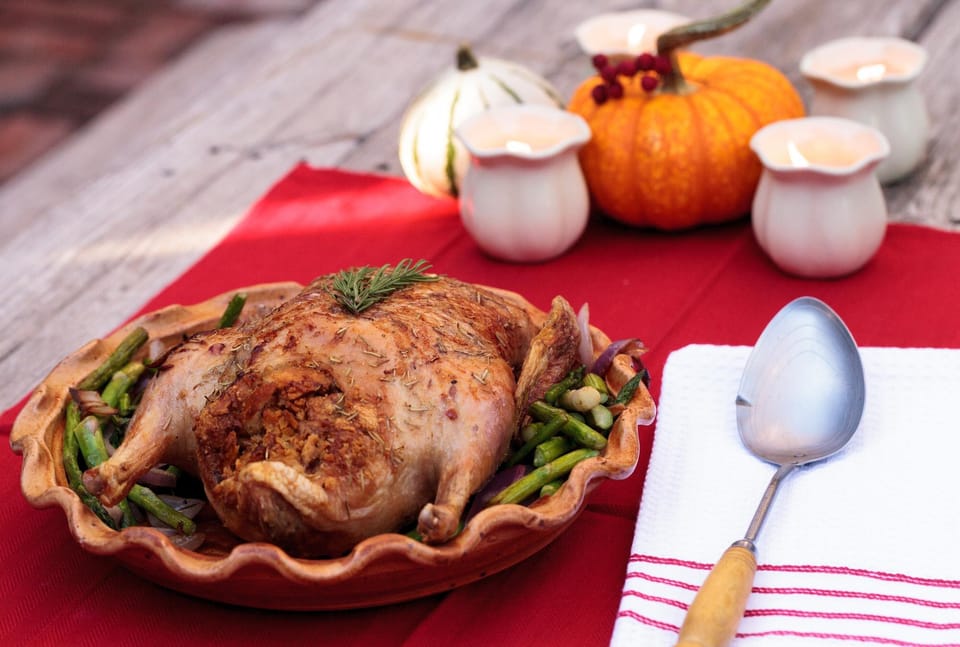
There's a certain alchemy to Thanksgiving, where the humble turkey transforms into a golden, succulent centerpiece. My journey to the perfect turkey began with a simple brine, a technique that seemed almost too straightforward to be transformative. Yet, it was this very brine that elevated my turkey from mundane to magnificent. I remember my first attempt, where I underestimated the power of brining and ended up with a bird that was, frankly, forgettable. But through trial and error, I've refined my method to achieve a turkey that's consistently juicy and flavorful. This recipe is the culmination of those efforts, a testament to the magic of brining and the art of roasting.
Inspired by the wisdom of culinary sages and my own kitchen mishaps, I've crafted a brine that infuses the turkey with moisture and taste, ensuring that every slice is a bite of heaven. I recall the year I got overzealous with the salt, resulting in a brine that was more oceanic than aromatic. It's crucial to strike the right balance, and I believe this recipe does just that. Follow along as I share the secrets to a beautifully brined and roasted turkey that will have your guests singing your culinary praises.
Ingredients
For the brine
- Kosher salt — 1 cup
- Light brown sugar — 1/2 cup
- Whole peppercorns — 1 tablespoon
- Dried bay leaves — 3
- Garlic — 4 cloves, smashed
- Fresh thyme — 5 sprigs
- Water — 1 gallon
For the turkey
- Whole turkey — 12 to 14 pounds, thawed and giblets removed
- Unsalted butter — 1/2 cup, melted
- Fresh rosemary — 2 sprigs
- Fresh sage — 2 sprigs
- Yellow onion — 1, quartered
- Carrot — 1 large, cut into chunks
- Celery stalks — 2, cut into chunks
- Chicken stock — 2 cups
- Ground black pepper — to taste
Instructions
- Begin by making the brine. In a large stockpot, combine the kosher salt, brown sugar, peppercorns, bay leaves, garlic, thyme, and water. Bring to a gentle boil, stirring until the salt and sugar dissolve. I've learned that this step is non-negotiable; undissolved salt can result in an unevenly brined turkey. Once dissolved, remove from heat and let the brine cool completely. I once rushed this process and added the turkey too soon, which started to cook the outer layers, a mistake you don't want to repeat.
- Place the turkey in a brining bag or a large, food-safe container. Pour the cooled brine over the turkey, ensuring it's completely submerged. If necessary, weigh down the turkey with a plate to keep it under the brine. Seal or cover and refrigerate for 12 to 24 hours. The first time I brined a turkey, I skimped on time, and the result was less than stellar. The full brining time allows the flavors to penetrate and the salt to work its tenderizing magic.
- When you're ready to roast, remove the turkey from the brine and pat it dry with paper towels, inside and out. Let it sit at room temperature for 1 hour. This step is crucial for even cooking; a cold turkey will cook unevenly, with the outer parts overcooking while the inside remains underdone.
- Preheat your oven to 325°F (165°C). Brush the turkey all over with the melted butter, then season the cavity with ground black pepper. Stuff the cavity with the rosemary, sage, onion, carrot, and celery. These aromatics will steam inside the turkey, infusing it with moisture and flavor. Truss the legs together with kitchen twine and tuck the wing tips under the body. I've found that this helps the turkey maintain its shape and cook more evenly.
- Place the turkey breast-side up on a rack in a roasting pan. Pour the chicken stock into the bottom of the pan. The stock will keep the environment moist and catch any drippings, which are essential for a rich gravy. Roast the turkey, basting every 45 minutes with the pan juices. Basting is a step I used to overlook, but it's vital for that glistening, crisp skin and adds an extra layer of flavor.
- Roast until a meat thermometer inserted into the thickest part of the thigh reads 165°F (74°C), about 3 to 4 hours for a 12 to 14-pound turkey. If the skin is browning too quickly, tent the turkey with aluminum foil. I learned this the hard way after presenting a turkey that was more charred than charmed on one occasion.
- Once the turkey reaches the correct temperature, remove it from the oven and let it rest for at least 20 minutes before carving. Resting allows the juices to redistribute throughout the meat, ensuring that each slice is moist and delicious. Carving too soon can result in a dry turkey, as I discovered during one particularly harried Thanksgiving.
Substitutions
- Kosher salt — If you must substitute, use half the amount of table salt, but be aware that the texture and flavor will be affected. I recommend sticking with kosher salt for its purity and consistent grain size.
- Chicken stock — Vegetable stock can be used for a vegetarian-friendly option, though it will alter the flavor profile slightly. I've used it when catering to vegetarian guests, and it's worked well.
Variations
- Citrusy twist — Add slices of orange and lemon to the cavity along with the herbs for a bright, citrus note. I've tried this, and it adds a refreshing zing that cuts through the richness of the meat.
- Spice-infused brine — Incorporate spices like star anise, cinnamon sticks, and cloves into the brine for a warm, aromatic flavor. This variation is especially delightful for a holiday turkey with a twist.
Dietary Restrictions
- Gluten-free — Ensure that the chicken stock is gluten-free if you're catering to guests with gluten sensitivities. Most of the other ingredients are naturally gluten-free.
Equipment
- Large stockpot
- Measuring cups and spoons
- Brining bag or food-safe container large enough to hold the turkey
- Roasting pan with rack
- Meat thermometer
- Basting brush
- Aluminum foil
- Carving set
Storage and Reheating
- Leftover turkey should be stored in an airtight container in the refrigerator and consumed within 3-4 days. I've found that slicing the turkey before refrigerating makes for easier reheating and serving later on.
- To reheat, place the turkey slices in a baking dish, add a splash of chicken stock, cover with foil, and warm in a 325°F (165°C) oven until heated through. This method helps the turkey retain its moisture and prevents it from drying out.
Pro Tips
- Brine balance — Be precise with your brine measurements. Too much salt can result in an overly salty turkey, while too little won't provide the desired juiciness and flavor.
- Temperature monitoring — Invest in a good meat thermometer. Checking the turkey's internal temperature is the most reliable way to ensure it's cooked perfectly.
- Resting time — Don't skip the resting period after roasting. It's tempting to carve right away, but resting is essential for a moist and tender turkey.