Key takeaways
- The post explains atherosclerosis as plaque buildup in arteries and notes it can affect many parts of the body.
- It says reducing risk factors and maintaining a healthy lifestyle are key, alongside medical treatment options mentioned in the article.
- It lists 13 foods the post says can support artery/heart health (like beans, berries, fish, and vegetables).
- The conclusion emphasizes an overall nutrient-rich diet for long-term heart health.
Plaque is a waxy mix of cholesterol, fat, calcium, and other substances that can build up inside artery walls over time. This buildup is called atherosclerosis, and it can reduce blood flow and raise the risk of heart attack and stroke. Source: MedlinePlus (NIH).
Food can't “scrape away” plaque overnight. But what you eat can support heart health and help manage risk factors linked with plaque buildup (like cholesterol levels, blood pressure, and inflammation). Source: NIH (NHLBI). (Optional extra reading: American Heart Association.)
If you have known heart disease, high cholesterol, diabetes, or you're taking blood thinners, it's best to talk with a clinician before making big diet changes. This article is general information, not medical advice. (See our disclaimer.)
Below are 13 foods that are commonly included in heart-healthy eating patterns, plus simple tips to make them easier to eat more often.
Free member perk: You can listen to the audio version of this article and get occasional quick-read guides. Join free.
Quick path: If you want a simple next step, start here:
13 foods that may support artery and heart health
1. Beans
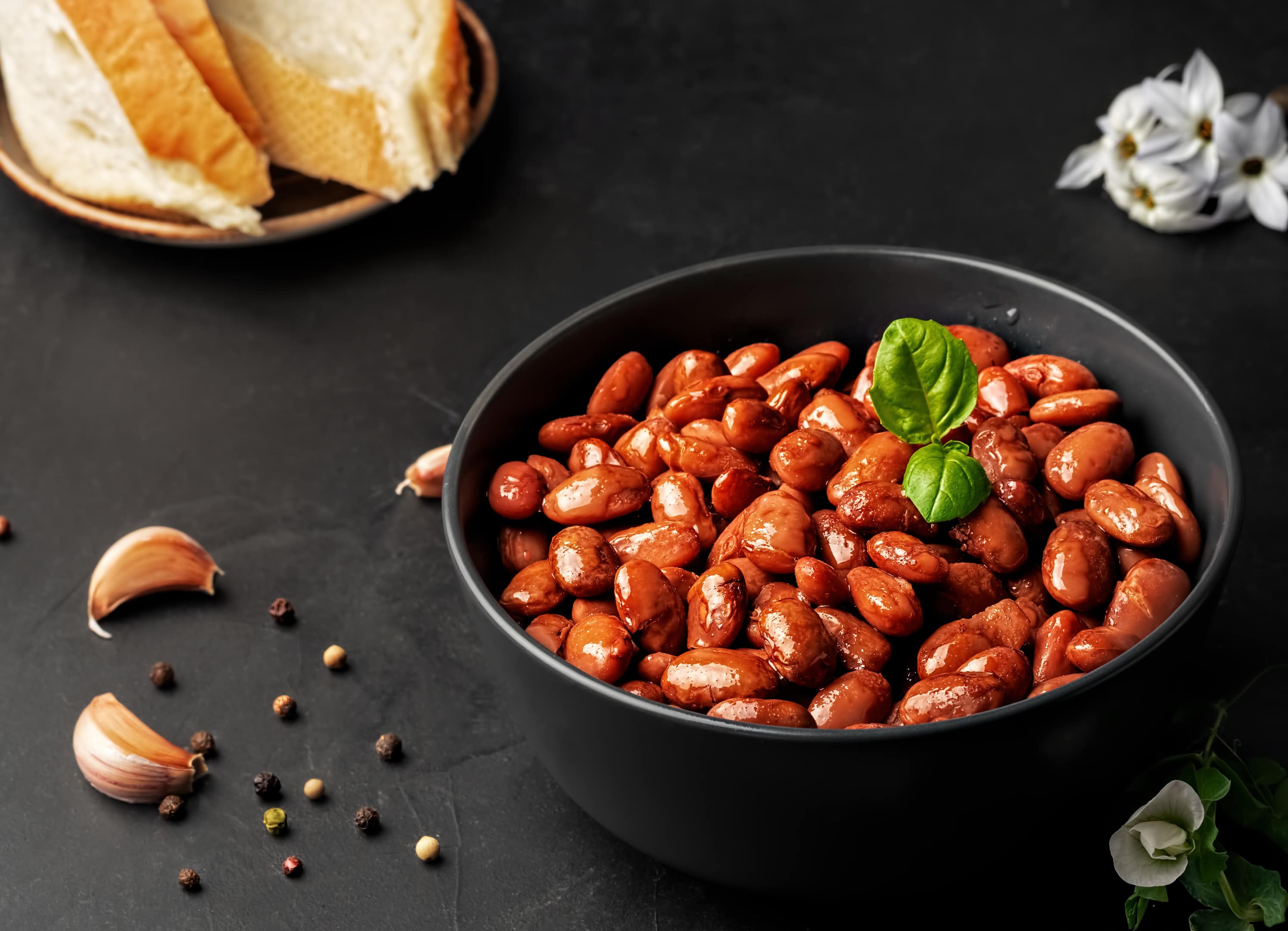
Beans are rich in amino acids, which are the body's protein building blocks, used in healing and growing bone, muscle, skin, and blood tissues. Beans are essentially filled with fiber and have great heart health benefits. Eating fiber-rich foods is vital for preventing plaque buildup. It also helps you manage your cholesterol levels and significantly lowers your risk of atherosclerosis. Other benefits of eating beans include improved artery function and reduced risk of type 2 diabetes.
2. Garlic
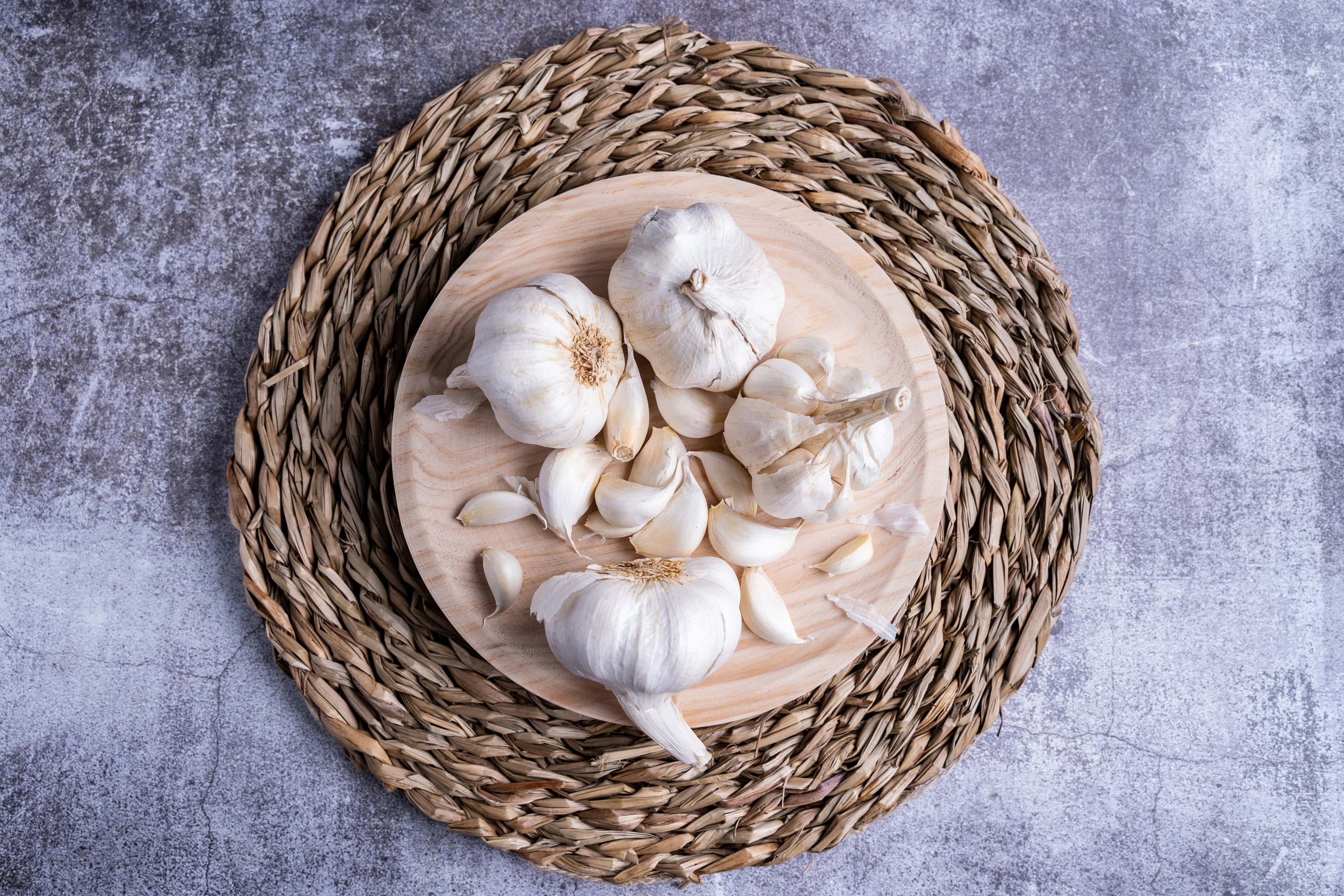
It is well-known that adding garlic to your diet has numerous health benefits. Consumption of garlic in moderation can prevent abnormal blood clots and reduce the rate at which plaques develop and build up in the arteries. It contains Diallyl trisulfide from garlic oil, which protects the heart from a heart attack. Garlic also comes with anti-bacterial qualities. It offers a range of health benefits from improved cholesterol levels to blood thinning and lowering of blood pressure, which all contribute in tandem to prevent clogged arteries.
3. Berries
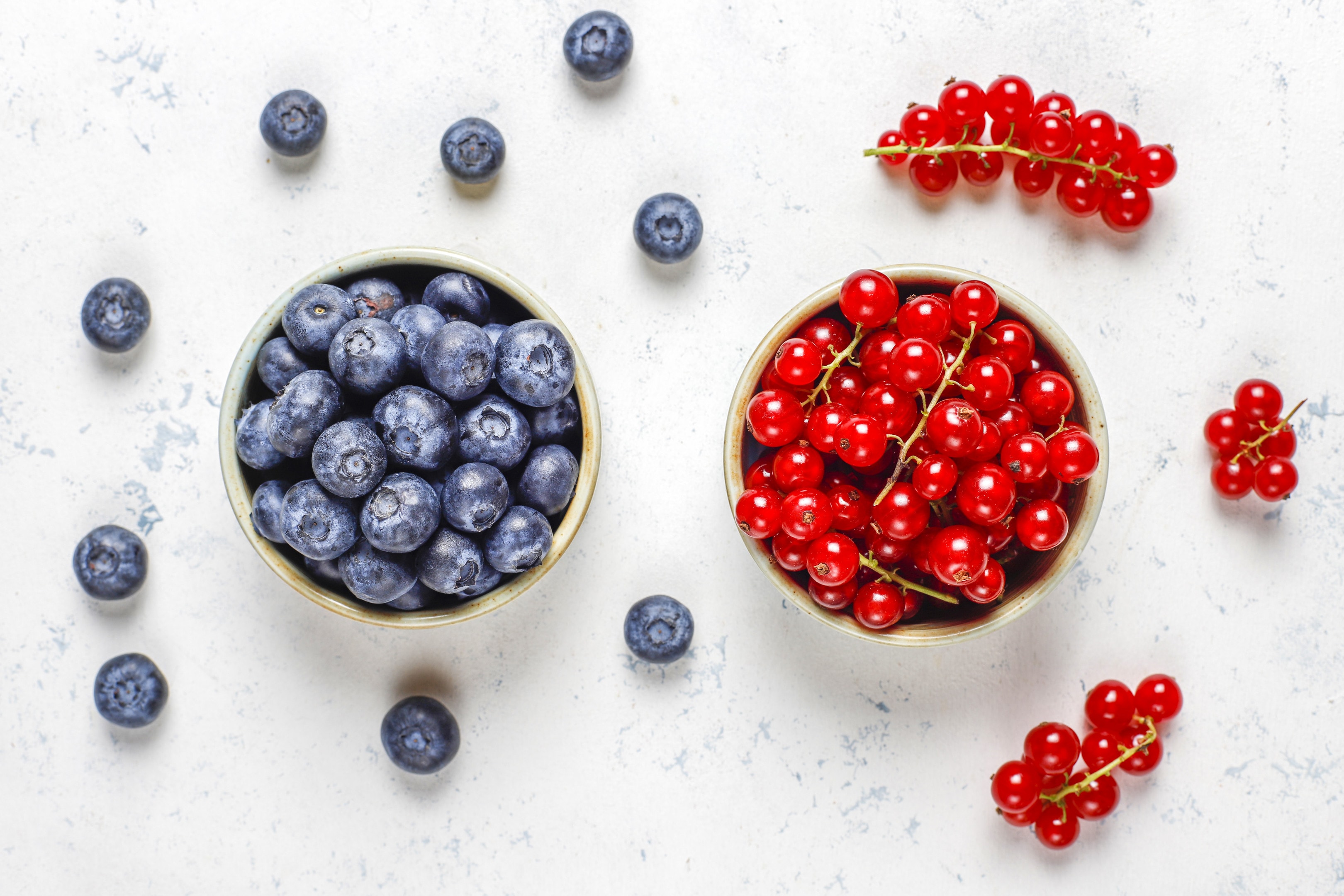
Berries have many benefits, including being able to enhance cognitive health, protect your body from cancer and reduce blood pressure. Berries are loaded and packed with lots of helpful minerals and vitamins. They also contain flavonoid antioxidants, which are known for their cardiovascular health benefits. Research has demonstrated that berries can offer potential benefits to patients with atherosclerosis; this fruit can prevent the build-up of plaque in the arteries by improving the function of the arteries which can then give rise to the reduction of inflammation and cholesterol accumulation. Berries can also prevent getting high blood pressure and aid in the free flow of oxygenated blood.
4. Tomatoes
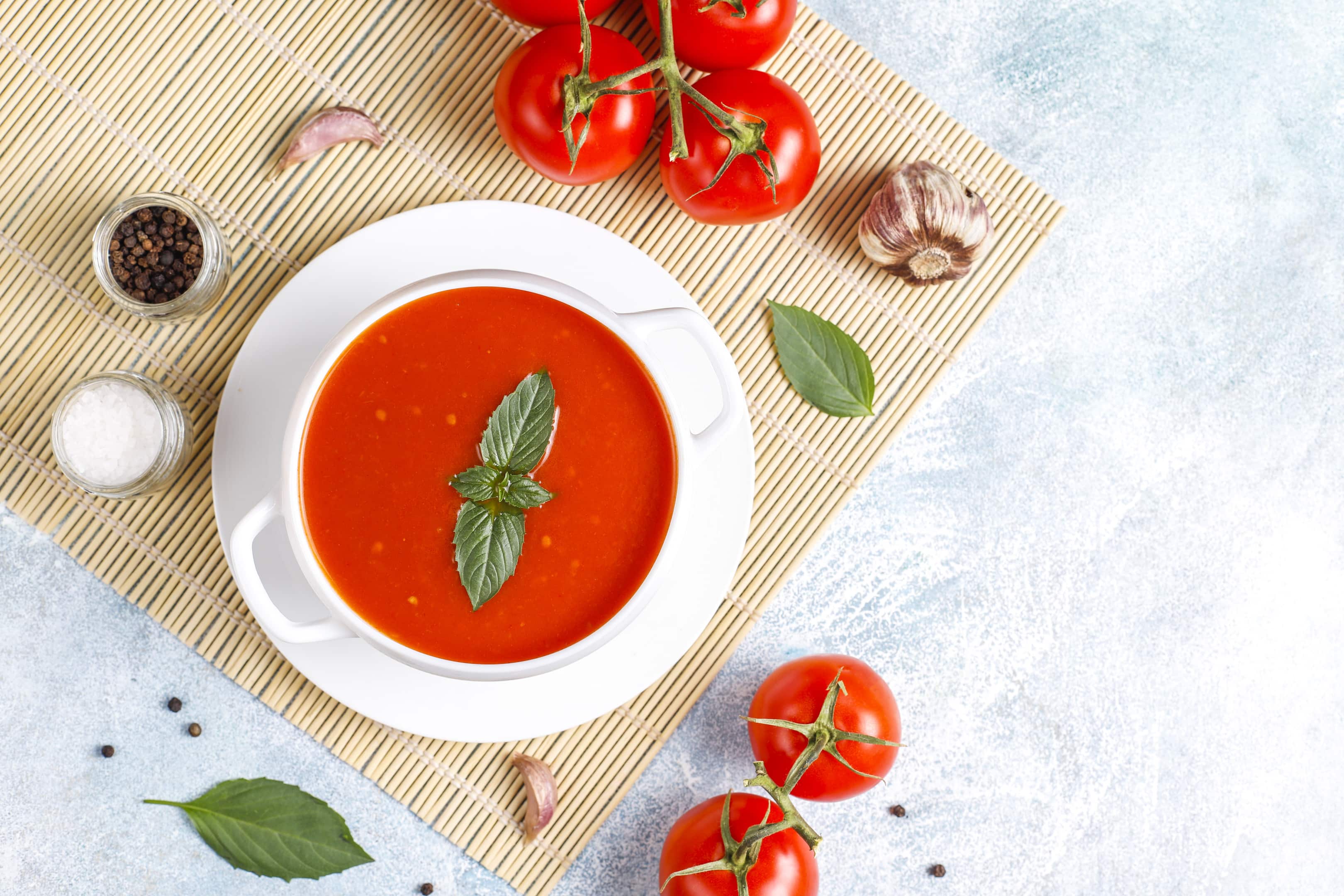
Tomatoes are good sources of fiber, vitamins, and minerals. Tomatoes and their products contain plant compounds that help combat plaque buildup. They include the carotenoid pigment lycopene, which has a lot of health benefits. Consuming tomatoes that are rich in lycopene can give rise to good cholesterol levels, prevention of heart disease, and reduced inflammation. Tomatoes can also have a positive effect on the inner linings of blood vessels by reducing clogging in the arteries.
5. Coconut oil
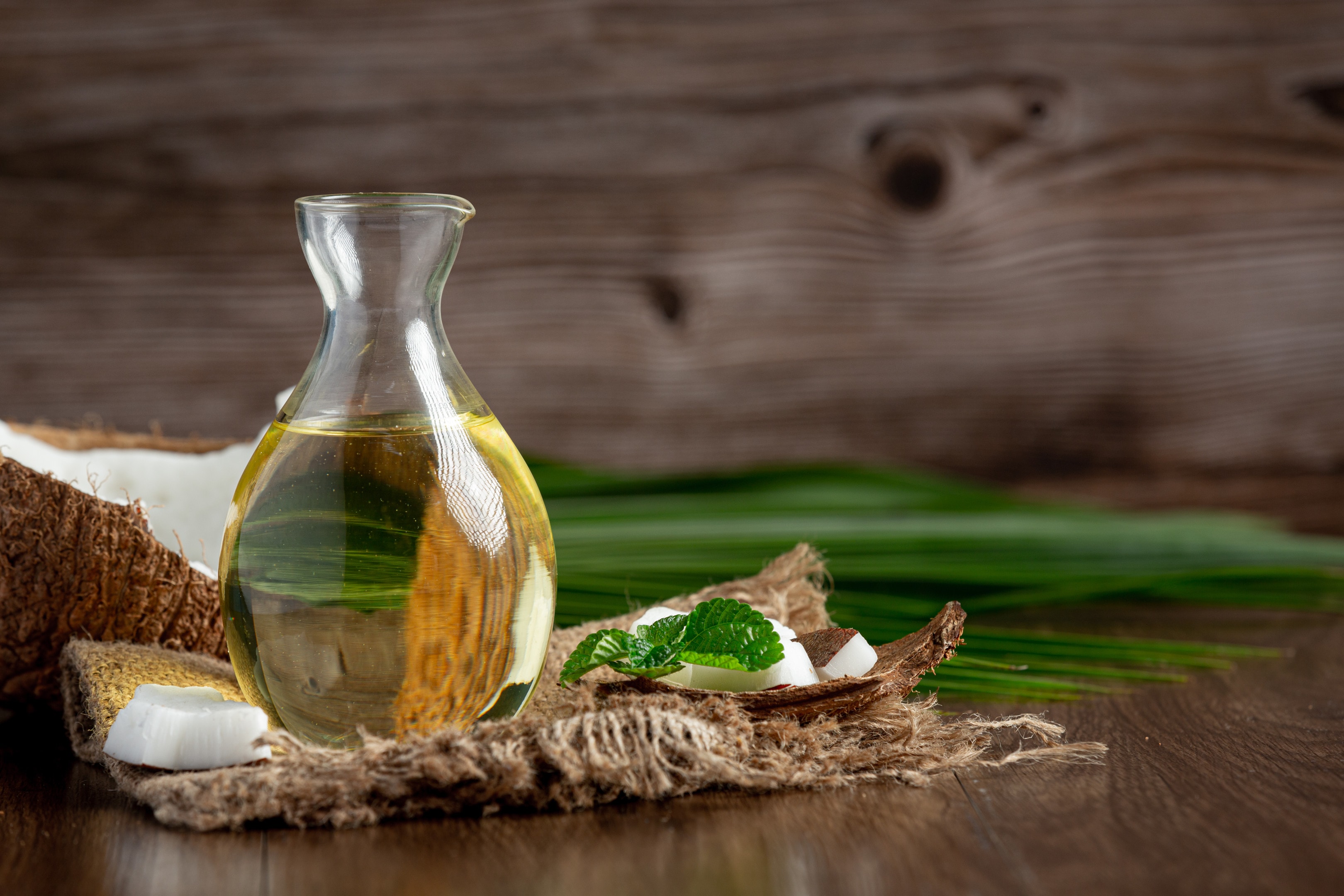
Coconut oil is often discussed in heart-health conversations, but it’s still a saturated fat. If you use it, keep portions modest and prioritize unsaturated fats more often (like olive oil, nuts, seeds, and fish). It contains fatty acids that help your body burn fat while providing reasonable amounts of energy. Although it is from the family of saturated fats, coconut oil is potent in fighting against the build-up of plaques in the arteries. They also raise the good cholesterol in your blood and prevent atherosclerosis.
6. Onions
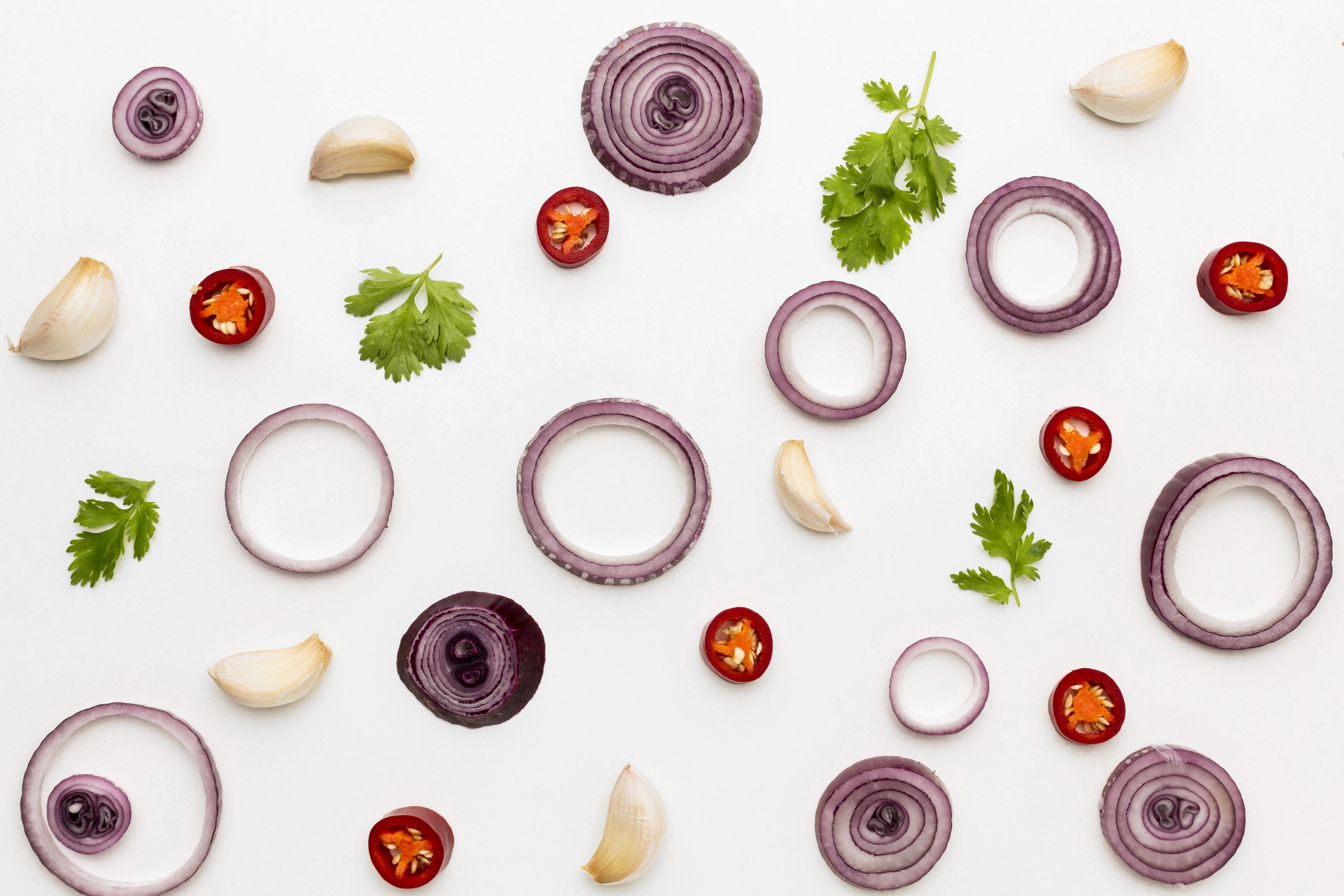
Onions are part of the Allium genus family and like garlic, they provide several essential health benefits. Diets that have lots of onions included in them can wield several advantages like reducing cholesterol and triglycerides levels. Onions have both anti-inflammatory and antioxidant effects when used in foods. This vegetable has been linked to countless health benefits such as enhanced bone and artery health, reduced blood sugar levels, and decreased risk of cancer.
Free member perk: Want the audio version and occasional quick-read guides? Join free.
7. Cold-water fish
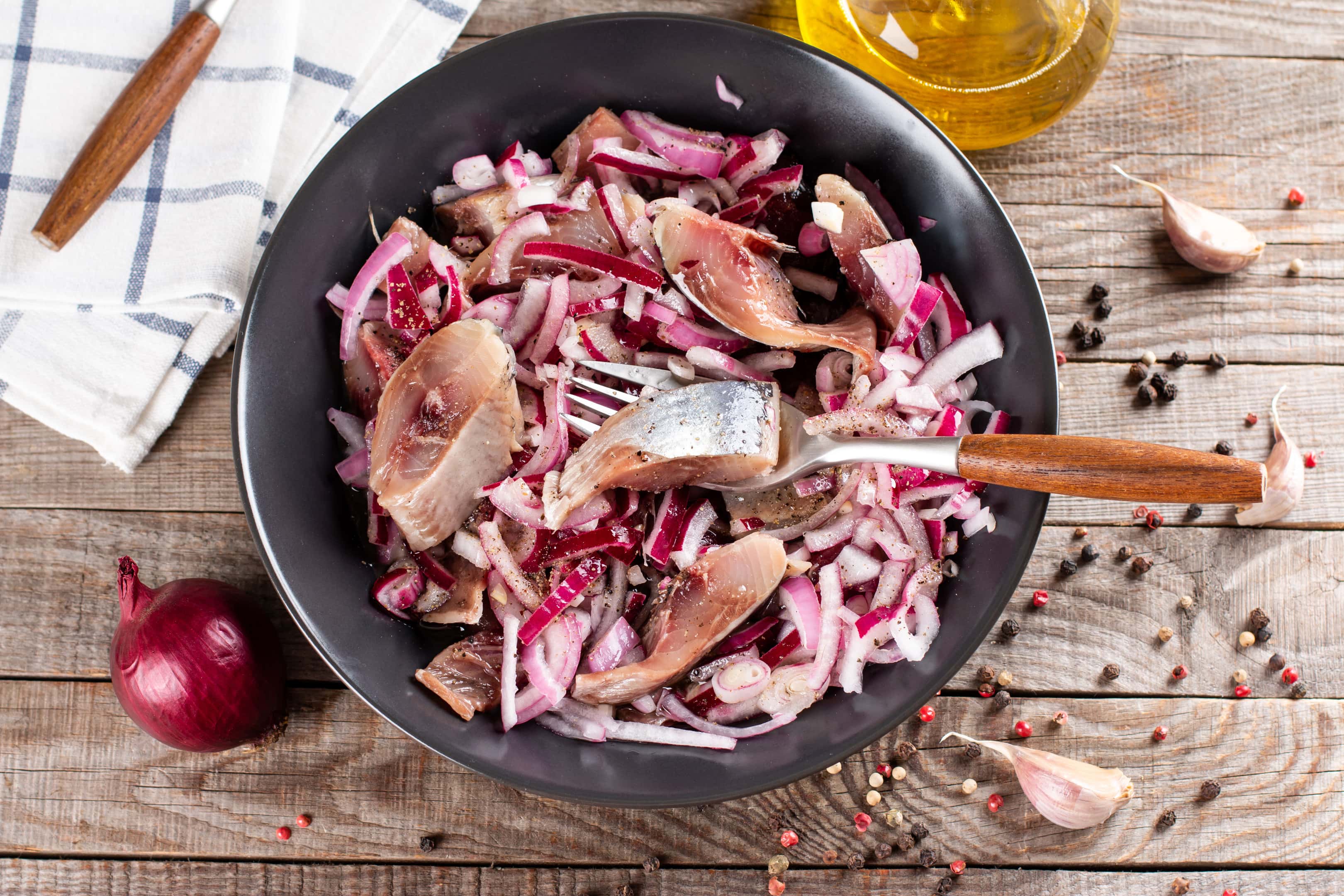
Fish contain important nutrients like omega-3 fats, which can aid in the alleviation of the symptoms of atherosclerosis. Omega‑3 fats are linked with heart-health benefits in some studies. They may support healthy triglyceride levels and overall cardiovascular health, but they don’t “clear” plaque on their own. Fatty fish can support heart health (in part because of omega‑3 fats), and it’s often recommended as part of a heart-healthy eating pattern. These kinds of fish include salmon, sardines, mackerel, and tuna. They can reduce inflammation when consumed at least twice a week.
8. Turmeric

Turmeric, which provides many excellent health benefits to the body when consumed. These benefits include the prevention of cancer and Alzheimer’s disease, reduction of inflammation, and improved brain function. Drinking a glass of milk mixed with one tablespoon of turmeric every day can benefit people suffering from atherosclerosis by reducing plaque build-up and managing LDL cholesterol levels.
9. Flax seeds
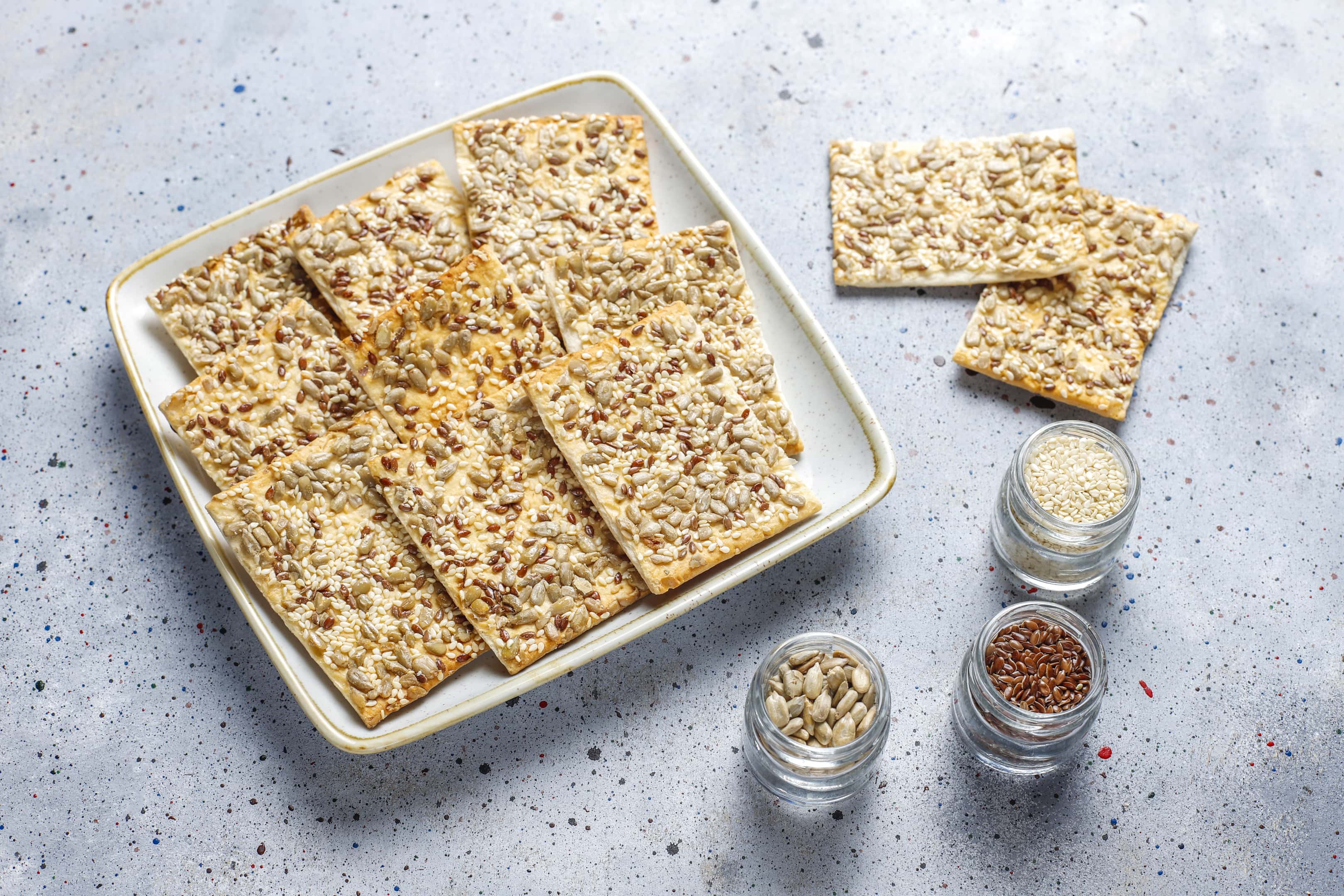
Flax seeds are excellent sources of many nutrients, due to their omega-3 fats and lignans. Flaxseeds also contain healthy fats, vitamins such as vitamins B1, minerals like magnesium, molybdenum, and copper. Flax seeds can help reduce inflammation in the arteries and also reduce high blood pressure.
10. Lemon

Lemon is exceptionally filled with several health benefits, as they are rich in plant compounds, fiber, and vitamin C. Eating lemon can be helpful in the prevention of heart disease, and it is also very effective in unclogging arteries. Drinking lemon water daily can reduce the levels of LDL cholesterol, aid healthy arteries and prevent oxidative damage. The benefits of lemon also include weight loss, prevention of kidney stones, reduced risk of cancer, protection from anemia, and enhanced digestive health.
11. Chia seeds
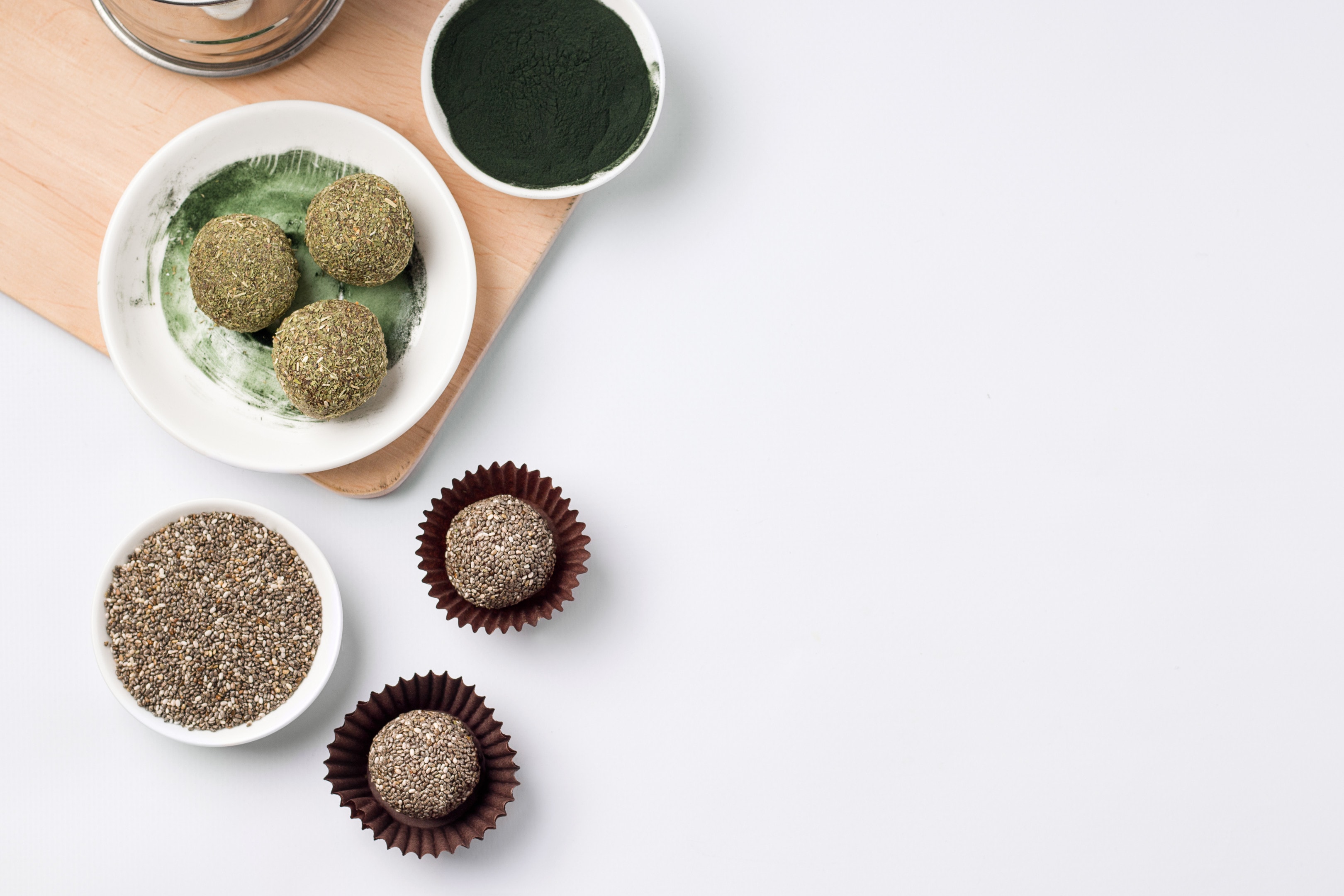
Chia seeds are a fiber-rich food that can support healthy cholesterol levels as part of an overall balanced diet. Although tiny in appearance, chia seeds are loaded with powerful nutrients such as protein, fiber, magnesium, manganese, phosphorus, and fat. They are also packed with potent antioxidants that can help in combating free radicals. They contain fiber and omega‑3 fats, which may support heart health and healthy cholesterol levels. They don’t replace medical care if you have diagnosed cardiovascular disease.
12. Dark chocolate

A study has proven that the consumption of chocolate regularly can reduce the risk of developing coronary heart disease; eating dark chocolate is beneficial for your heart’s health and it can help unclog plaque-ridden arteries. Dark chocolate contains iron, magnesium, copper, manganese, fiber, and powerful antioxidants. Eating dark chocolate can also boost the free flow of blood, reduce blood pressure, protect LDL from oxidation, and improve skin health by protecting it from the sun. However, it is advised to consume dark chocolate moderately as it contains a good amount of sugar.
13. Cruciferous vegetables
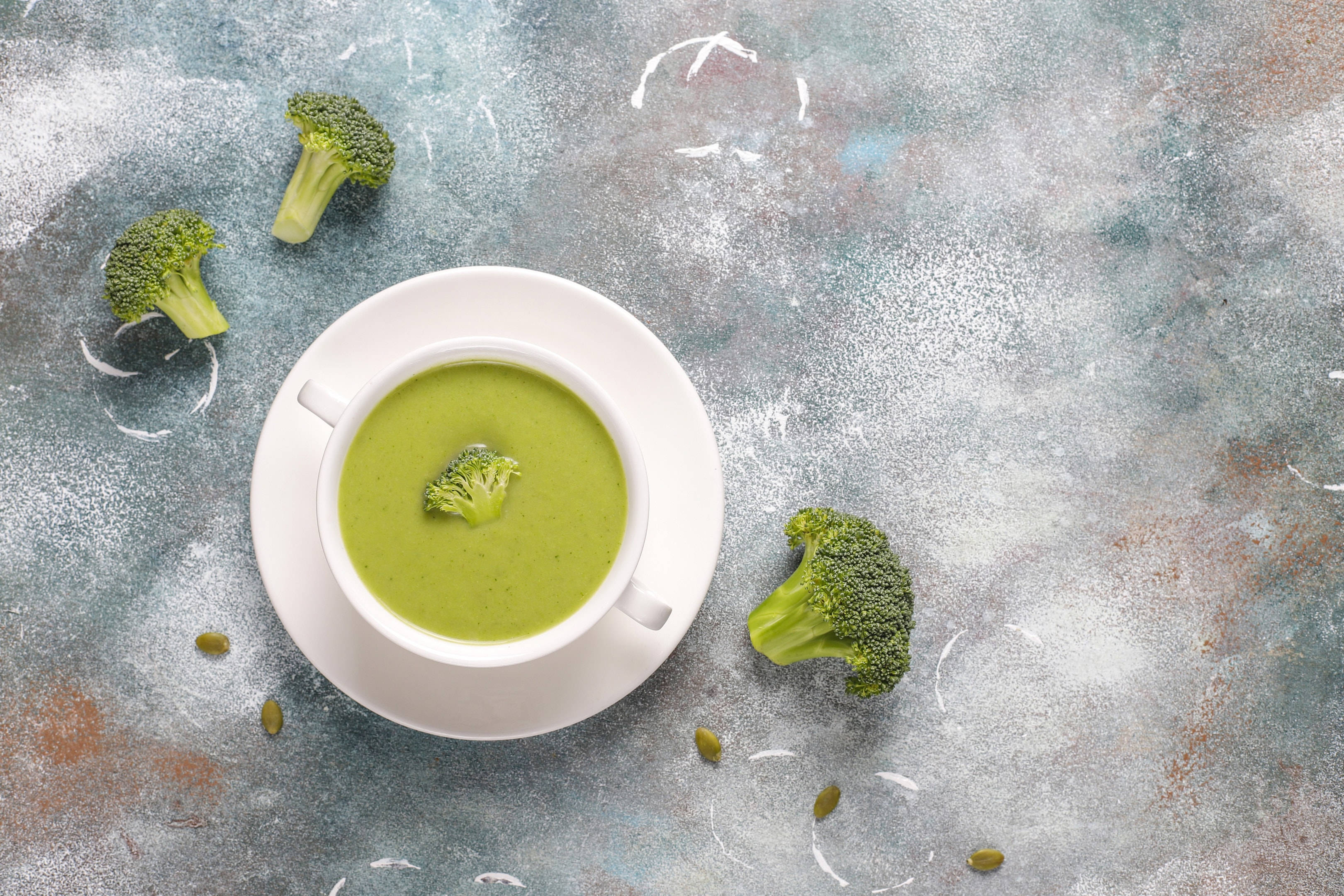
One widely-known benefit of cruciferous vegetables is that they contain potential nutrients that help ward off cancer. These types of vegetables contain low calories and are filled with fiber, folate, and vitamins K, E, and C. Cruciferous vegetables include broccoli, bok choy, Brussels sprouts, cauliflower, radish, kale, and turnips. Cruciferous vegetables (like broccoli, cabbage, and kale) are nutrient-dense and can support overall heart health as part of a balanced diet.
More heart health guides
Here are our other guides about cholesterol and heart health:
- Foods to help lower LDL (bad) cholesterol
- Best foods for a healthy heart
- Cardio-boosting foods (plant-based nutrition)
Conclusion
A healthy diet filled with nutrient-giving foods is always beneficial for your body. A nutrient-rich eating pattern can support your heart and overall health. These foods may help support healthy cholesterol and blood pressure levels over time, which matters for plaque risk. Other foods often included in heart-healthy eating patterns include olive oil, pomegranates, leafy greens, and beets.