
Key takeaways
- The post explains common ways nerves can be damaged and why symptoms can look different from person to person.
- It shares a long list of foods it says can support nerve health, including leafy greens, ginger, turmeric, seeds and nuts, legumes/soy, fish or chicken, dairy or fortified foods, quinoa, fruits, and water.
- It also includes a meal-planning section to help you turn those ideas into practical meals and snacks.
- If you suspect nerve damage or your symptoms are worsening, use this as general nutrition information and follow your clinician’s plan for diagnosis and treatment.
Free member perk: You can listen to the audio version of this article and get occasional quick-read guides. Join free.
Nerve pain and neuropathy can have many causes (diabetes is a common one). Food can’t “fix” nerve damage overnight, but nutrition can support nerve health and overall recovery.
This guide focuses on nutrients that matter most (like B vitamins, omega‑3s, and magnesium) and the foods that tend to be the easiest ways to get them.
If you have new numbness, weakness, or worsening pain, it’s worth talking with a clinician to find the cause. (General information only — see our disclaimer.)
For context: MedlinePlus (NIH) — peripheral neuropathy and NIDDK (NIH) — diabetic neuropathy.
How are nerves damaged?
Numerous reasons can cause one to have damaged nerves. However, according to the U.S. National Library of Medicine, the most common cause of nerve damage is diabetes, while the other reasons are the following:
- Kidney disease
- Hepatitis C
- Autoimmune disease
- Metabolic disease
- Deficiency of vitamins, especially vitamin B1, vitamin B6, and vitamin B12
- Alcoholism
- Tumors
- HIV/AIDS
- Poor blood circulation
Once the nerves are damaged, they send false signals to the brain, generating a burning sensation, tingling, numbness, or stabbing pain. There are a large number of medical solutions to damaged nerves. However, most of the answers are short-term.
Nutrition can be chosen as one of the solutions for preventing and remedying damaged nerves. A few food items can help you deal with neuropathic pain.
Foods that may support nerve health
Foods having anti-inflammatory properties and abundant in specific vitamins can relieve you from the pain experienced due to damaged nerves. You can easily nourish your damaged nerves with these foods. There are also supplements from which you can get the same nutrients. But what’s better than fresh food?
1. Leafy and green vegetables
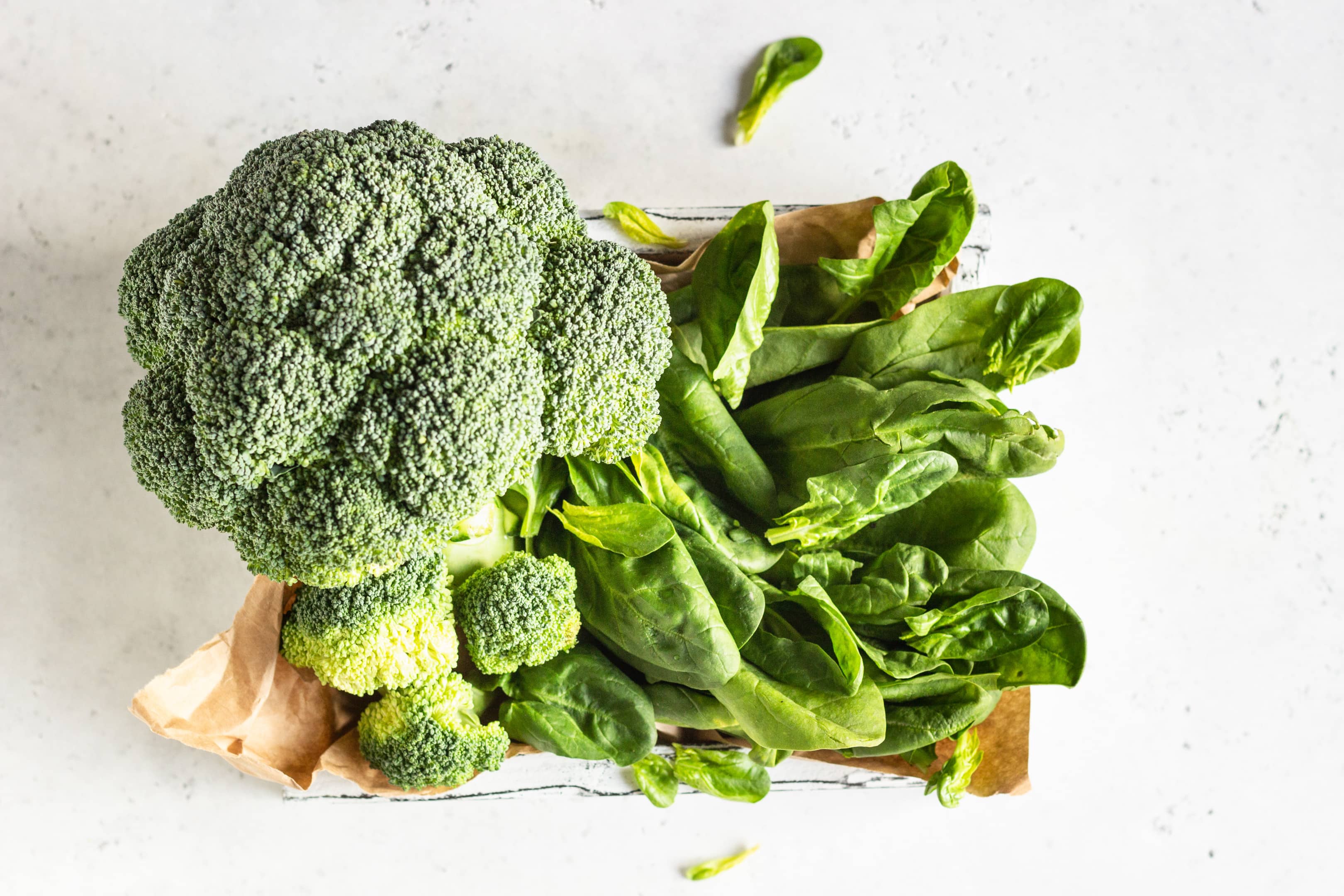
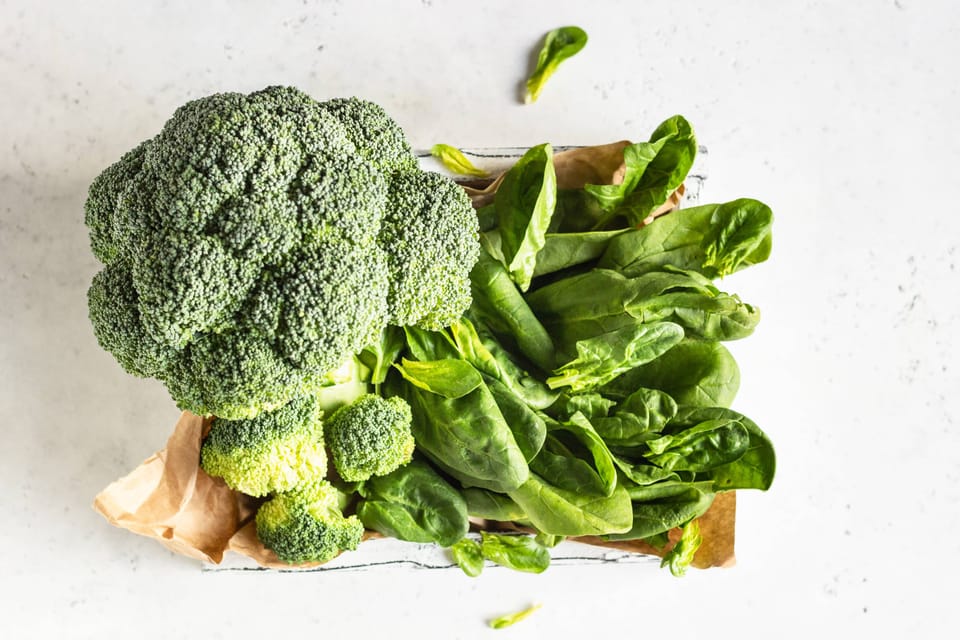
It's rare to find someone who wasn't encouraged to eat green leafy vegetables during childhood. For a good reason; leafy and green vegetables have been known to improve eyesight due to their rich Vitamin A content. But did you know these vegetables can alleviate neuropathic pain and prevent sleepless nights? Green and leafy vegetables such as broccoli, asparagus, and spinach contain vitamin B. This nutrient is essential for nerve regeneration and also improves nerve functions.
Spinach, broccoli, and kale are rich sources of alpha-lipoic acid, another micronutrient for improving nerve function. Moreover, foods containing alpha-lipoic acid effectively lower blood sugar levels. According to a study in 2017, alpha-lipoic acid effectively improves nerve conduction and prevents oxidative damage to nerves.
If you want to be free of neuropathic pain, eating green and leafy vegetables can help you out. But you have to consume them religiously every day.
2. Ginger

Ginger, a common kitchen ingredient, offers numerous medical benefits. The anti-inflammatory properties of ginger can ease pain due to damaged nerves. Moreover, it is an excellent source of gingerol, exhibiting healing ability.
Due to its pain-relieving properties, ginger oil reduces pain due to cramps, neuropathy, and more. Several forms of ginger can be used to flavor foods. Adding a bit of ginger to your cooking can be incorporated into your everyday diet.
3. Turmeric
Turmeric, an age-old spice, is known for its medicinal benefits. Whether chasing away the common cold or mending a cut, this kitchen item always comes to your aid. Turmeric is rich in curcumin, contributing to its anti-inflammatory and analgesic properties. It is due to this antioxidant that turmeric can help heal damaged nerves.
Instead of popping an over-the-counter painkiller, you can incorporate turmeric into your meal planning. After a few weeks, you will surely notice how effective turmeric is as a pain-relieving tool.
The most intriguing fact about turmeric is that you can consume it in many ways. You can pour a teaspoon of turmeric into your curry, dissolve it in milk, and drink it, or make a healthy turmeric tamarind drink.
4. Caviar

Caviar consists of eggs from fish in the sturgeon family. It is used as a garnish or appetizer. Caviar is a rich source of omega-3 fatty acids and iron. Omega-3 fatty acids are essential for smooth nerve functioning and damaged nerve healing.
Even though you will rarely find caviar in your local stores, you should not skip a chance to consume it if you find it.
5. Pumpkin seeds

Potassium and magnesium play an essential role in nerve conduction and functioning. Pumpkin seeds are rich in potassium and magnesium. Thus, it is needless to say that a regular dose of pumpkin seeds in your diet plan can improve your nerve health. These micronutrients can calm and strengthen your excited (damaged) nerves.
Pumpkin seeds are often roasted and seasoned. You may have them as an evening snack or a topping on your salad.
6. Flaxseed
Flaxseeds have gained popularity in recent decades due to their health benefits. They contain many amino acids, most importantly, omega-3 fatty acids. Therefore, regular consumption of a bit of flaxseed can ease your damaged nerves and help them to recover. Moreover, it contains potassium and magnesium, which helps in nerve creation and quick healing.
You may use the grounded flaxseed as a seasoning for your salad. This is an easy way to include this plant-based food into your diet.
7. Chia seeds
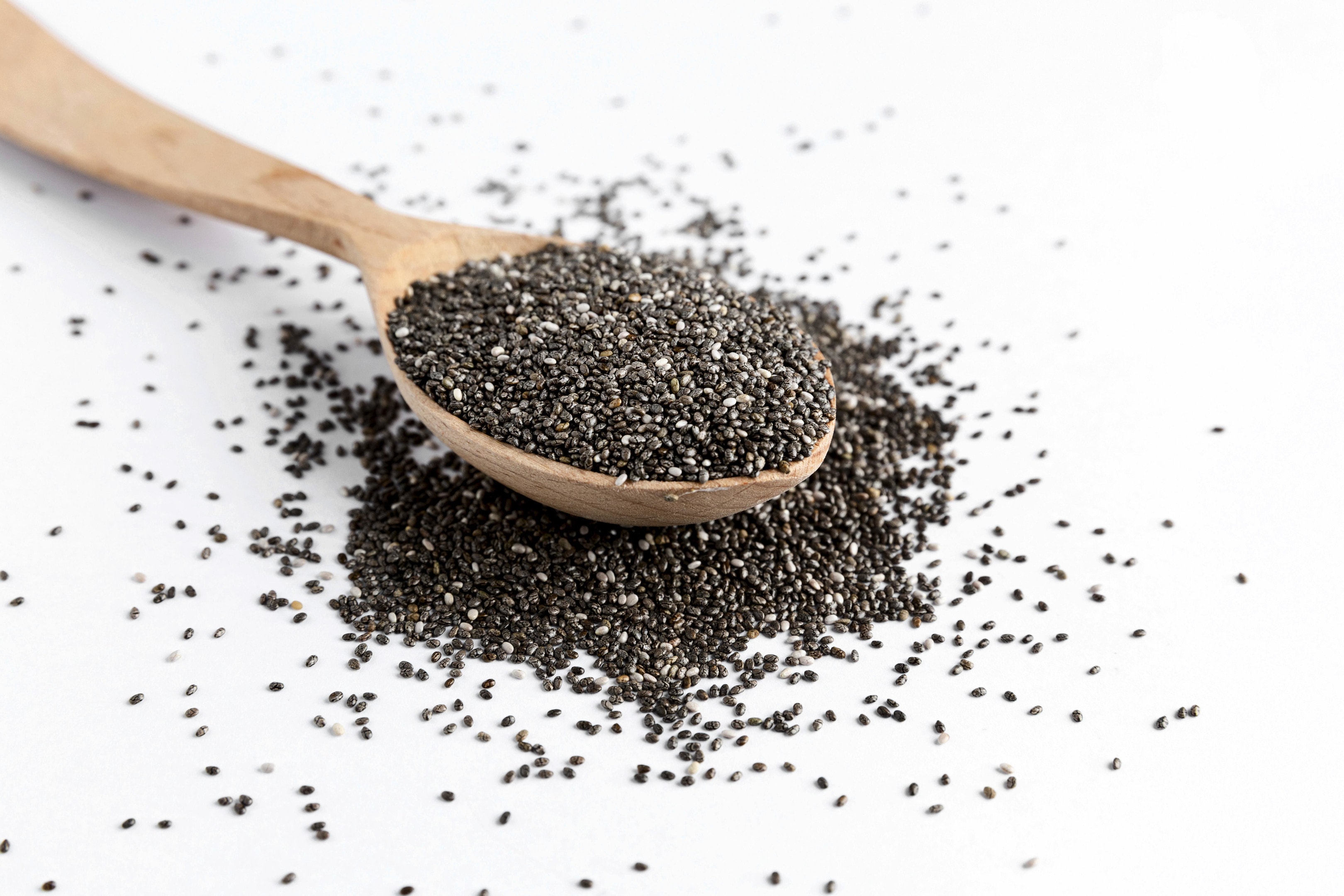
Like flaxseeds, chia seeds have become a favorite for many due to their health benefits. It has been adopted as a breakfast food for many. Chia seeds are rich in potassium and omega-3 fatty acids. Therefore, it potentially helps in healing damaged nerves.
Chia seeds do not have a flavor so you can blend them into any food or smoothie. However, if you experience low blood pressure, avoiding daily consumption of chia seeds is advisable.
8. Walnuts
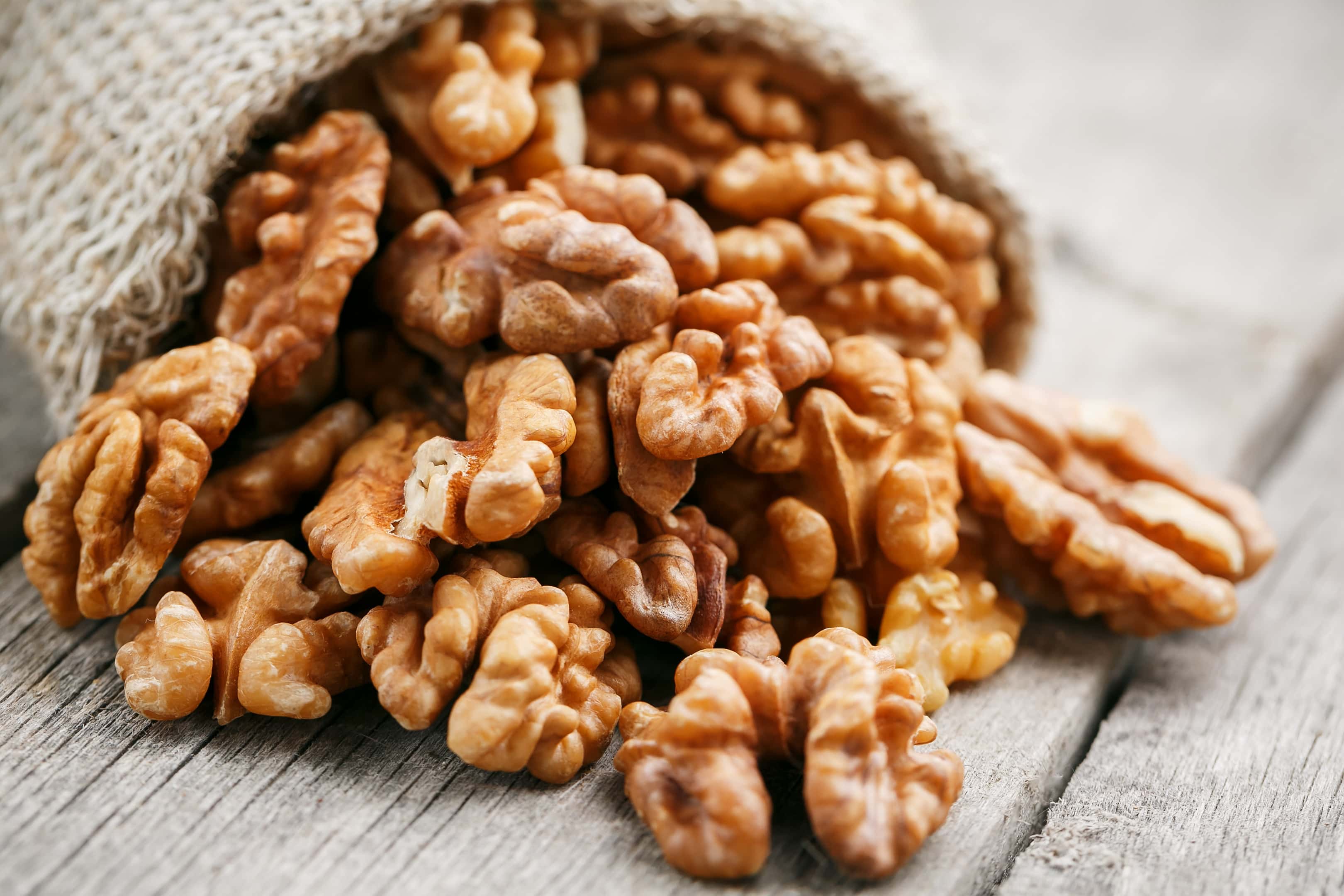
Walnuts are a popular source of omega-3 fatty acids. Omega-3 fatty acids repair the myelin sheath and thus promote the faster recovery of the damaged nerves. In addition, walnuts are rich in antioxidants that help in reducing inflammation. In short, you should include walnuts in your diet plan to relieve the numbness or prickling due to damaged nerves.
You can eat three or more ounces of walnuts daily to notice the difference in two weeks.
9. Legumes

The legume family has a wide range of variety that helps recover damaged nerves. Green peas and beans have high vitamin content, specifically vitamins B1 and B12. These vitamin complexes have significant roles in nerve health.
Don’t be surprised if your doctor may prescribe you vitamin supplements. Vitamins, especially vitamin B complex, are essential for healing nerve damage. But if you can, incorporate legumes as one-fourth of your lunch meal.
10. Soybeans
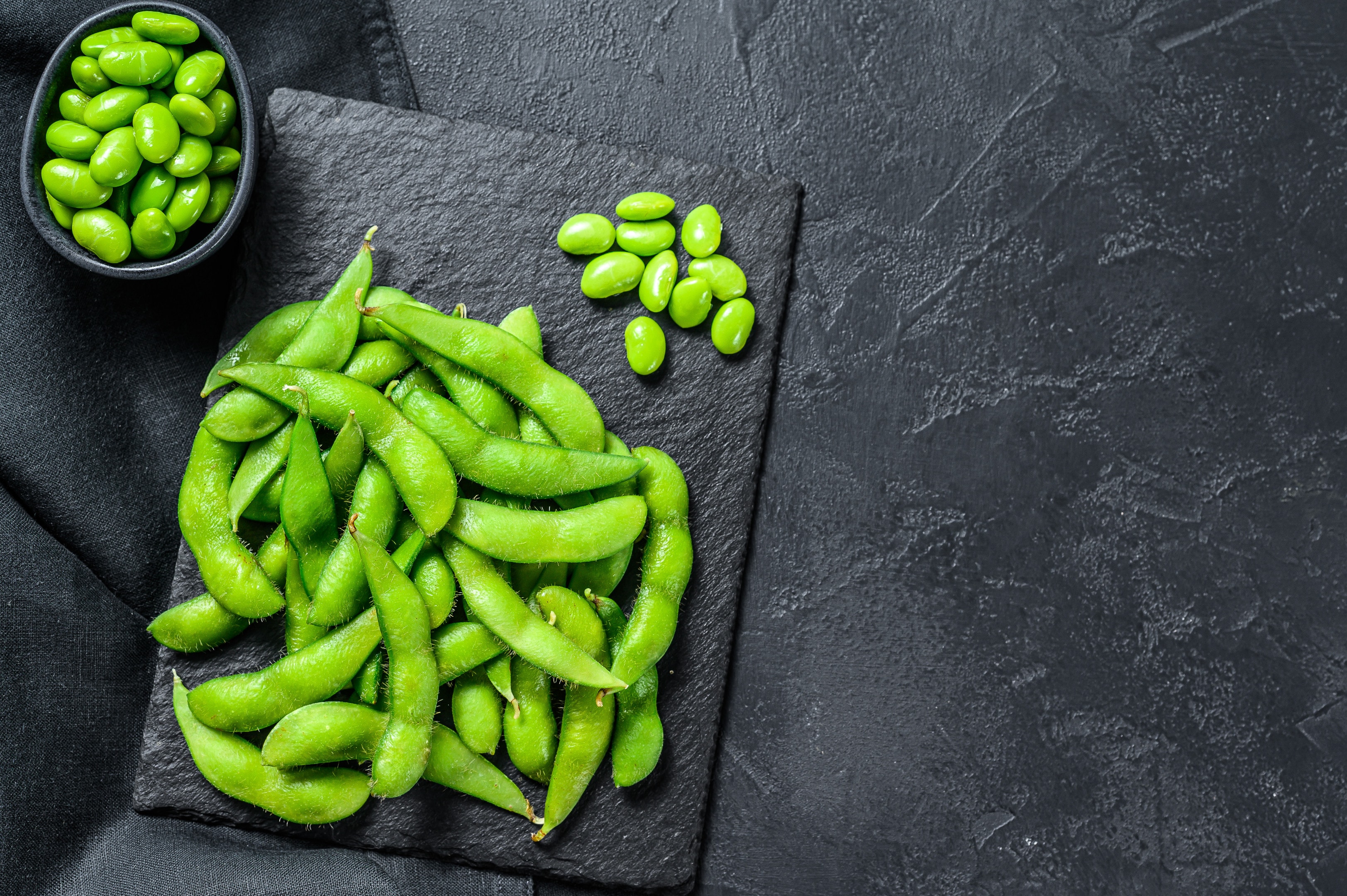
Soybeans serve as a great source of micronutrients that benefit the human body. It has a considerable amount of iron and calcium, which are essential for the proper functioning of our body. Moreover, soybeans can be a boon for you if you seek ways to relieve yourself from neuropathic pain.
Soybeans are rich in vitamin B2, which plays a significant role in healing damaged nerves. Therefore, do not forget to include soybeans while planning your meals.
11. Whey
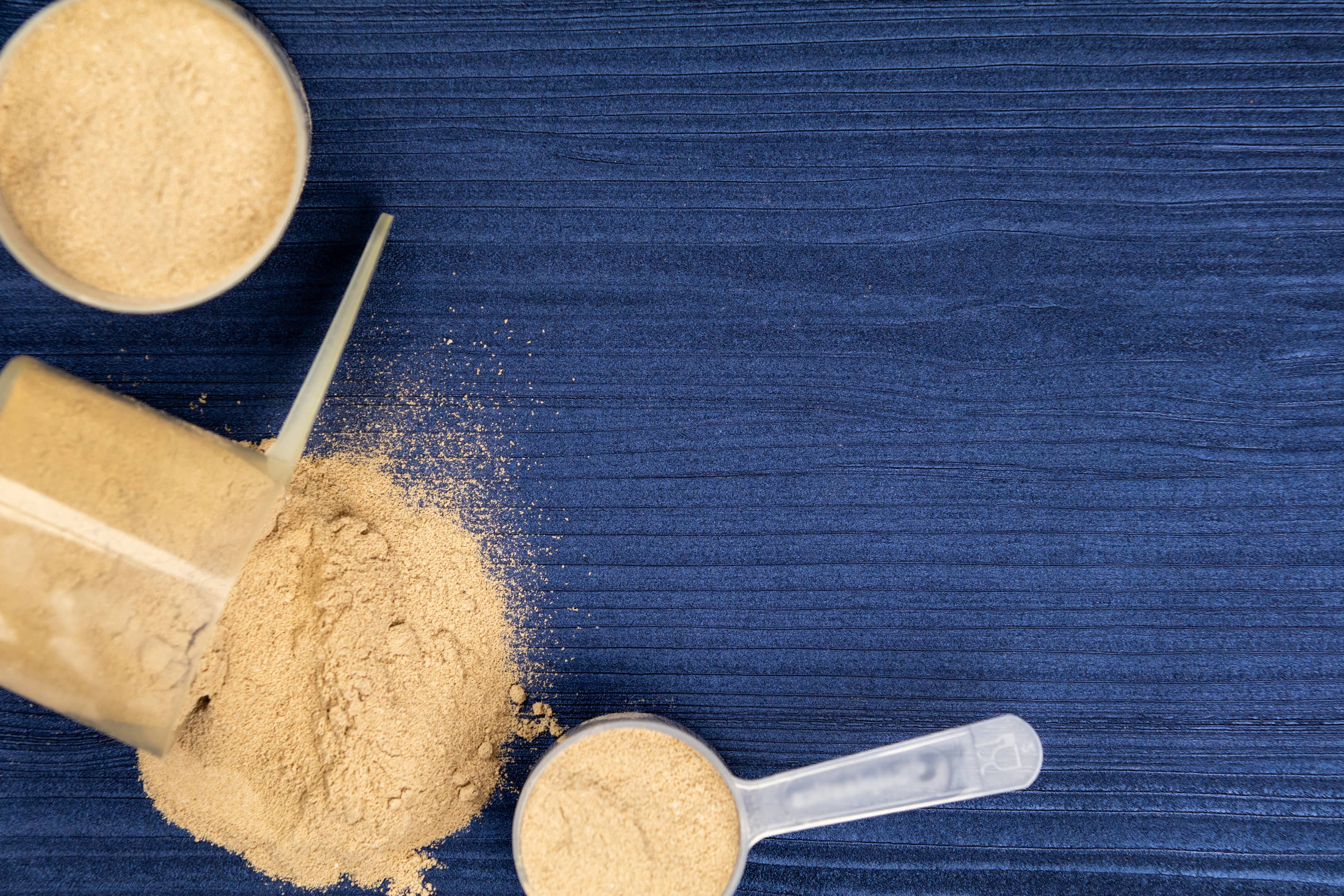
Whey is popularly known for its protein content. But you will be amazed to know that whey is used for muscle building and making your nerves healthy. Whey is a source of amino acids such as L-glutamine and L-tryptophan. These amino acids can heal your damaged nerves faster.
Moreover, if you are looking for a way to reduce your alcohol consumption for your nerve health, whey can help you here as well. It helps to calm down your nerves, as well as your withdrawal symptoms.
12. Fortified cereals
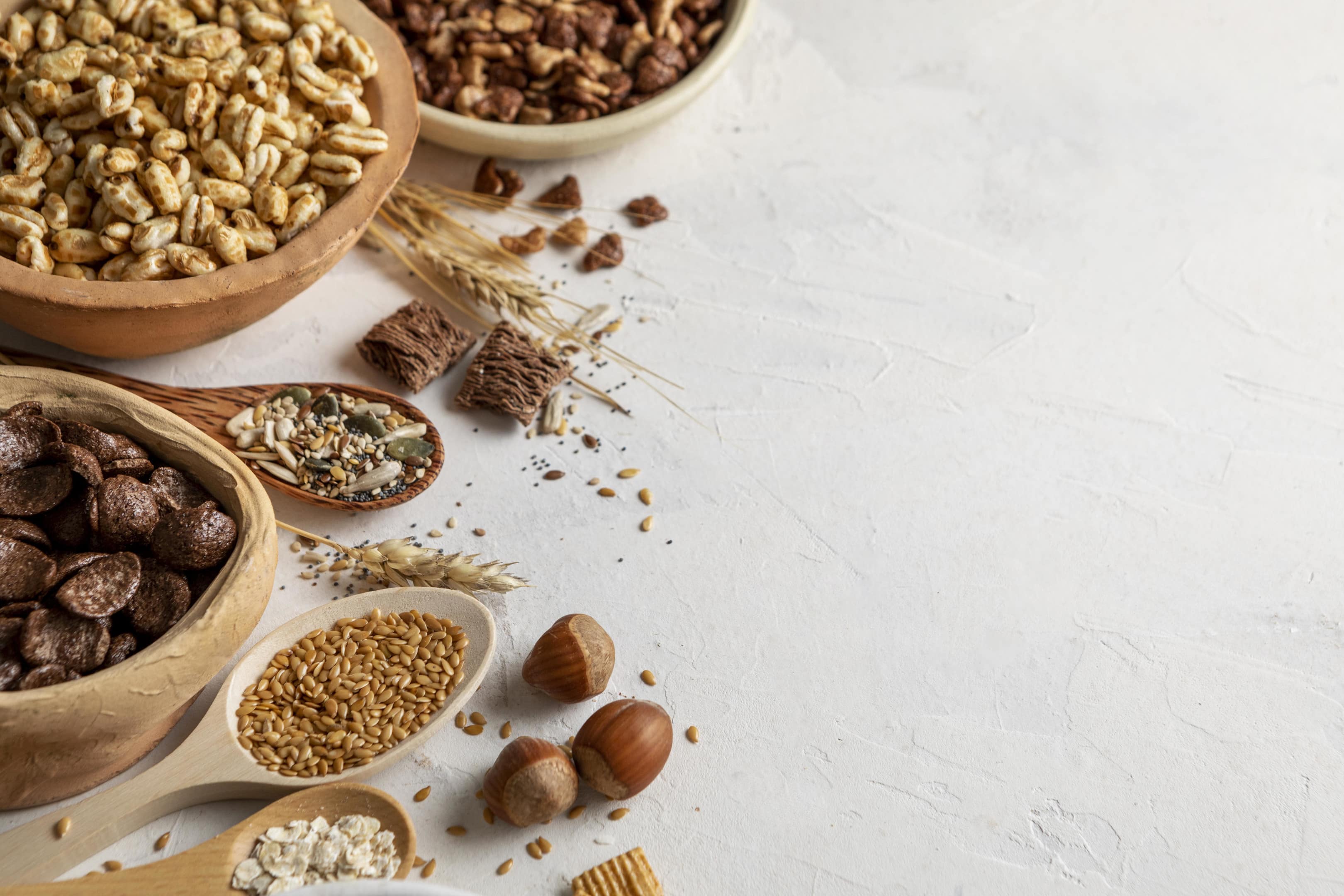
Cereals and whole grains are typically on the 'avoid' list for patients dealing with neuropathy. However, fortified cereals get a green signal in helping to heal nerve damage. What makes the difference is that fortified cereals are rich in vitamin B.
As said earlier, vitamin B has a positive effect on neuropathic pain. Moreover, this micronutrient helps promote faster and better recovery of damaged nerves. However, you must monitor the amount of fortified cereal intake. Excess of fortified cereals can result in nerve damage and neuropathic pain.
13. Low-fat dairy

Low-fat dairy products can help you battle your damaged nerves. How? Low-fat dairy products contain an amino acid called acetyl-L-carnitine. This amino acid acts as an antioxidant in the body and creates healthy nerve cells. Moreover, it can raise the body’s energy levels and significantly reduce pain due to damaged nerves.
The recommended dosage of this amino acid is 3 grams daily for eight weeks. The effect on nervous health is exhibited in 12 weeks. According to a study in 2016, acetyl-L-carnitine significantly improved the health conditions in neuropathy.
14. Fish

Fish, especially varieties with low mercury content, can help heal damaged nerves. Salmon, sardines, tuna, cod, herring, anchovy, and mackerel are rich in vitamin B12 and omega-3 fatty acids responsible for nerve functioning.
Fish is one of the most effective ways to heal nerve damage. However, one should be aware of the high mercury content in some fish, which may lead to neurotoxicity.
The recommended dosage of low-mercury fish is two servings per week.
15. Chicken

Chicken is rich in vitamin B6, which is essential for the effective absorption of vitamin B12 in our body. Vitamin B12 plays a significant role in nerve damage recovery. Additionally, vitamin B6 helps maintain blood sugar levels, a critical factor for those with diabetic neuropathy.
However, it's important not to consume chicken excessively. Too much vitamin B6 can have adverse effects on nerve health. It's recommended to consult with a doctor or dietician about the right amount of chicken in your diet.
16. Chamomile

Chamomile is a renowned herb that has exhibited medical importance for centuries. Chamomile is rich in antioxidants. It effectively reduces inflammation and neuropathic pain. Moreover, chamomile is known for lowering blood sugar levels, as well.
If you are suffering from diabetic neuropathy, you can sip chamomile tea daily to keep the pain at bay and blood sugar within limits. Chamomile essential oil can be helpful when you are experiencing neuropathic pain.
17. Quinoa

Quinoa is a popular pseudo-cereal that has gained broad appeal due to its health benefits. It serves as an excellent source of potassium. As potassium is responsible for the conduction of messages through nerves, it is essential to maintain a proper level of potassium in our body. Quinoa is an ideal source to serve this purpose.
While whole-grain cereals may lead to an adverse effect on damaged nerves, quinoa serves as a nutritious alternative.
18. Fruits

Fruits are a must in your diet to heal your damaged nerves. Fruits contain loads of antioxidants that help in reducing inflammation. Fruits are essential nutrient suppliers for the proper functioning of the body and to promote recovery of the damaged nerves.
Fruits like apples, oranges, berries, shallots, and grapes contain a flavonoid called quercetin. According to a study, quercetin has anti-inflammatory properties that help deal with neuropathy.
If you want to heal your damaged nerves sooner, you should not miss eating at least one fruit daily.
19. Water

Water is often equated with life. This essential fluid ensures our well-being. A well-hydrated body has a lesser risk of muscle spasms and neuropathic pain. Water is responsible for circulating all the nutrients in our body. Therefore, you cannot heal your damaged nerves if you do not monitor your water intake.
You must not forget to drink at least eight glasses of water daily. Never fail to do this.
Meal planning
Meal planning is something that can be your savior in the long run. You must keep the following items in mind when planning your meals.
- Include food items that control blood sugar level
- Eating foods with antioxidants is the most significant
- Avoid processed and packaged foods
- Monitor your caloric intake
We have provided a short list of foods that you should take to help heal your neuropathy. However, you should also be aware of foods that are not good for neuropathy. If you want the flipside (foods to limit), see the “More nerve health guides” section below. Planning balanced meals and not skipping meals is crucial to heal the damaged nerves. An hour of exercise can add to the recovery of damaged nerves.
More nerve health guides
Conclusion
There is more than one treatment for damaged nerves. But it would be unwise to overlook the opportunity to heal your damaged nerves through nutrition. The food items listed above offer an excellent opportunity to recover and regenerate your nerves. Planning your meals ahead of time can help you in balancing nutrition and food intake.
Damaged nerves do not necessarily mean the end of the world. There are ways you can avoid neuropathic pain. Proper planning of what to eat and what not to eat can help heal your nerves and relieve neuropathic pain. These small changes in your diet can affect your quality of life significantly. These food items are just the remedy to your damaged nerves that can help you win the battle with neuropathy.